Hey there! I’m a supplier of engraving and milling machines, and today I wanna chat about the electrical control system of these nifty devices. It’s a crucial part of the machine that makes everything run smoothly, so let’s dig in! Engraving and Milling Machine

The Basics of an Engraving and Milling Machine’s Electrical Control System
First off, what exactly is an electrical control system? Well, think of it as the brain of the engraving and milling machine. It’s responsible for controlling all the electrical components and functions of the machine, ensuring that it operates efficiently and accurately.
The main components of an electrical control system typically include a controller, motors, drives, sensors, and a power supply. The controller is like the command center, sending out signals to the motors and other components to tell them what to do. The motors are what actually move the cutting tools and the workpiece, while the drives convert the electrical signals from the controller into the appropriate power for the motors.
Sensors play a vital role in the system. They provide feedback to the controller about the position, speed, and other parameters of the machine. This feedback allows the controller to make real-time adjustments and ensure that the machine is operating within the desired specifications. For example, a position sensor can tell the controller exactly where the cutting tool is located, so it can accurately control its movement.
The power supply is, of course, what provides the electrical energy needed to run the machine. It needs to be stable and reliable to ensure consistent performance.
Types of Controllers
There are different types of controllers used in engraving and milling machines. One common type is the CNC (Computer Numerical Control) controller. This is a powerful computer-based system that uses programmed instructions to control the machine’s movements. With a CNC controller, you can create highly precise and complex designs. You just input the design data into the controller, and it will guide the machine to cut and engrave the workpiece accordingly.
Another type is the PLC (Programmable Logic Controller). PLCs are more commonly used in industrial settings. They are known for their reliability and flexibility. PLCs use ladder logic programming to control the machine’s functions. They can handle a variety of input and output signals, making them suitable for controlling different aspects of the engraving and milling process.
Motor Control
The motors in an engraving and milling machine are crucial for its operation. There are mainly two types of motors used: servo motors and stepper motors.
Servo motors are known for their high precision and speed. They can provide accurate positioning and can quickly adjust to changes in the load. Servo motors are often used in high-end engraving and milling machines where precision is of the utmost importance. They work in conjunction with the servo drives, which receive signals from the controller to adjust the motor’s speed and position.
Stepper motors, on the other hand, are more cost – effective. They move in discrete steps, making them suitable for less demanding applications. Stepper motors are often used in smaller and more affordable engraving and milling machines. They are controlled by stepper drives, which send pulses to the motor to make it rotate in a specific sequence.
Sensor Technology
Sensors are all over the place in an engraving and milling machine. Position sensors, like linear encoders and rotary encoders, are used to measure the position of the cutting tool and the workpiece accurately. This is essential for ensuring precise cuts and engravings.
There are also speed sensors, which measure the speed of the motors. The controller can use this information to adjust the motor’s speed as needed. For example, if the cutting load increases, the controller can increase the motor’s speed to maintain a consistent cutting performance.
Force sensors are another important type. They can detect the force exerted by the cutting tool on the workpiece. This can be useful for preventing over – cutting or for ensuring that the cuts are made with the right amount of force.
Safety Features in the Electrical Control System
Safety is a top priority when it comes to engraving and milling machines. The electrical control system has several safety features built – in.
One of the most basic safety features is the emergency stop button. When pressed, it immediately cuts off the power to the machine, stopping all its movements. This can prevent accidents in case of an emergency, like a sudden malfunction or a dangerous situation.
There are also overload protection mechanisms. These detect when the motors or other components are drawing too much current, which could indicate an overload. When an overload is detected, the system will automatically cut off the power to protect the components from damage.
Some machines also have door interlocks. If the machine’s access door is opened during operation, the interlock will detect it and stop the machine. This prevents operators from accidentally coming into contact with the moving parts.
The Importance of a Good Electrical Control System
Having a high – quality electrical control system in an engraving and milling machine is crucial for several reasons.
First of all, it ensures accuracy. The precise control of the motors and the ability to make real – time adjustments based on sensor feedback mean that the machine can produce highly accurate cuts and engravings. This is essential for industries where precision is key, such as the jewelry and electronics industries.
Secondly, it improves efficiency. A well – designed control system can optimize the machine’s operation, reducing the time it takes to complete a job. For example, it can automatically adjust the cutting speed and feed rate based on the material and the design, saving time and reducing waste.
Finally, it enhances safety. The safety features built into the electrical control system protect both the machine and the operators. This reduces the risk of accidents and ensures a safe working environment.
Customization and Upgrades
One of the great things about modern engraving and milling machines is that the electrical control system can often be customized and upgraded. This allows customers to tailor the machine to their specific needs.
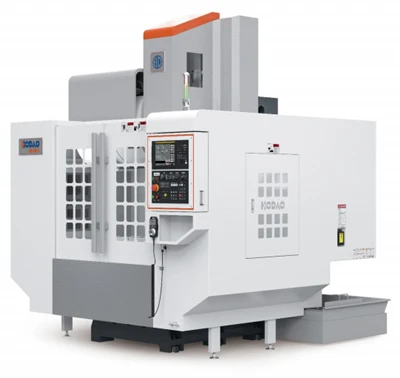
For example, if a customer needs to engrave a particular type of material, the control system can be programmed to optimize the cutting parameters for that material. Or, if a customer wants to add more advanced features, like automated tool changing, the control system can be upgraded to support it.
Contact Us for Your Engraving and Milling Machine Needs
Vertical Machining Center If you’re in the market for an engraving and milling machine, or if you have any questions about the electrical control system or any other aspect of these machines, don’t hesitate to contact us. We’re here to help you find the perfect machine for your business and provide you with all the support you need. Whether you’re a small – scale hobbyist or a large – scale industrial manufacturer, we’ve got the right solution for you.
References
- "CNC Machining Handbook" by Peter W. McGeough
- "Industrial Control Technology" by J. Richard Wagner
- "Electrical Engineering for Non – Electrical Engineers" by Ronald A. Kaufman
Taizhou Qiyang Trading Co., Ltd.
As one of the most professional engraving and milling machine manufacturers and suppliers in China, we’re featured by quality products and good price. Please rest assured to buy bulk engraving and milling machine for sale here and get quotation from our factory. Customized orders are welcome.
Address: Zhenhai Village, Binhai Town, Wenling City, Taizhou City, Zhejiang Province
E-mail: qycncmachine@outlook.com
WebSite: https://www.qycncmachine.com/
