Yo, fellow industry peeps! I’m a supplier of PPR valves, and today I wanna chat about a hot topic: Are PPR valves resistant to UV rays? PPR Valves
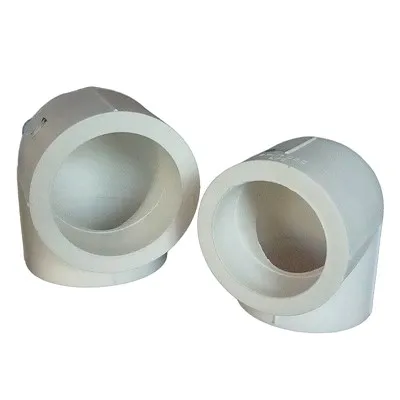
Let’s start by getting to know what PPR is. PPR stands for random copolymer polypropylene. It’s a type of plastic that’s been a game – changer in plumbing since its introduction. Why? Well, it’s super durable, it can handle a wide range of temperatures, and it’s corrosion – resistant. PPR valves are used all over the place, in homes for things like tap water systems, and in commercial buildings for larger – scale plumbing setups.
Now, the big question: UV resistance. UV rays are those pesky things that come from the sun. They can cause all sorts of problems for materials, like breaking down chemical bonds, making materials brittle, and changing their color. When it comes to PPR valves, the short answer is that PPR isn’t naturally super resistant to UV rays.
PPR is made up of polymer chains. When UV rays hit these chains, they start to break them down. Think of it like a bunch of linked chains getting snapped apart one by one. This is called photodegradation. The more a PPR valve is exposed to UV rays, the more these chains break. As a result, the valve starts to lose its strength and flexibility. You might notice that the valve becomes more brittle over time, and it could crack more easily under pressure.
I’ve seen it myself in jobs where PPR valves were installed outdoors without proper protection. After a few months under the sun, the valves started to look dull and faded. And when we did some tests on them, we found that their mechanical properties had changed. They weren’t as good at withstanding pressure as they were when they were new.
But here’s the thing, not all is lost. There are ways to make PPR valves more UV – resistant.
One of the most common methods is to add UV stabilizers during the manufacturing process. These stabilizers act like a shield for the PPR. They absorb the UV rays before they can do too much damage to the polymer chains. It’s like putting on sunscreen to protect your skin from the sun. There are different types of UV stabilizers, and the quality and amount used can vary from one manufacturer to another.
At our place, we use a high – quality UV stabilizer in our PPR valves. We’ve done our own tests, leaving our valves in direct sunlight for months on end. And let me tell you, the results are pretty impressive. The valves still look good, and they maintain most of their mechanical properties. Of course, they’re not invincible, but they can handle a fair amount of UV exposure.
Another option is to use protective coatings. These coatings can be applied to the outside of the valve after it’s made. They create an extra layer between the PPR and the UV rays. Some coatings are clear, so they don’t change the appearance of the valve, while others can be colored. The downside is that these coatings can wear off over time, especially if the valve is exposed to a lot of abrasion.
Now, you might be wondering where you should and shouldn’t use PPR valves in terms of UV exposure.
If you’re planning to install PPR valves indoors, you don’t have to worry too much about UV rays. Indoor environments usually have very little sunlight, so the risk of photodegradation is pretty low. They’re perfect for things like bathroom plumbing, kitchen sinks, and even heating systems.
But if you’re thinking about outdoor installations, you need to be more careful. For example, in a garden irrigation system, the valves are going to be exposed to the sun all day long. In cases like this, using UV – resistant PPR valves is a must. You can also consider installing them in a shaded area or using some form of physical protection, like a valve box.
When it comes to comparing PPR valves with other types of valves in terms of UV resistance, it’s a mixed bag.
Metal valves, like brass or stainless steel, are generally more UV – resistant because they don’t have polymer chains that can break down from UV exposure. However, they can corrode over time, especially in wet or corrosive environments. PVC valves are another option, but PVC can also be affected by UV rays, although often not as severely as non – UV – stabilized PPR.
So, if UV resistance is your biggest concern for an outdoor application, our UV – resistant PPR valves are a great choice. Our valves give you the best of both worlds. They have the durability and corrosion – resistance that PPR is known for, along with a decent level of UV protection.
I know some of you might be thinking about the cost. Sure, UV – resistant PPR valves might cost a little more than regular ones. But when you think about the long – term savings, it makes sense. You won’t have to replace the valves as often, and you’ll avoid the hassle of dealing with valve failures due to UV damage.
If you’re in the market for PPR valves, especially if you need them for outdoor projects where UV exposure is an issue, we’ve got you covered. We’ve spent years perfecting our UV – resistant PPR valve technology, and we’re confident in the quality of our products.
Whether you’re a contractor working on a big commercial project or a DIY enthusiast doing some home plumbing, our valves can meet your needs. We offer a wide range of sizes and types of PPR valves, so you can find exactly what you’re looking for.
So, don’t hesitate to reach out if you’re interested in learning more or if you want to place an order. We’re here to help you make the right choice for your plumbing needs. Let’s have a chat about how our UV – resistant PPR valves can work for you.
PPR Pipe References:
- "Plastic Pipes Handbook" – A comprehensive guide on different types of plastic pipes and their properties.
- Industry research reports on the effects of UV rays on plastic materials.
Hebei Ruijie Pipe Industry Co., Ltd.
Address: Industrial Park, Shaozhuang Township, Suning County, Cangzhou City, Hebei Province
E-mail: 1987870474@qq.com
WebSite: https://www.rjpprpipe.com/
