As a seasoned fungicides supplier, I understand the critical importance of being able to read and interpret the labels on fungicide products accurately. Whether you’re a professional farmer, a dedicated gardener, or involved in any agricultural or horticultural activities, the information on the fungicide label is your key to using these products safely and effectively. In this blog post, I’ll share my insights on how to read the label on a fungicide product, offering a comprehensive guide that can empower you to make informed decisions. Fungicides
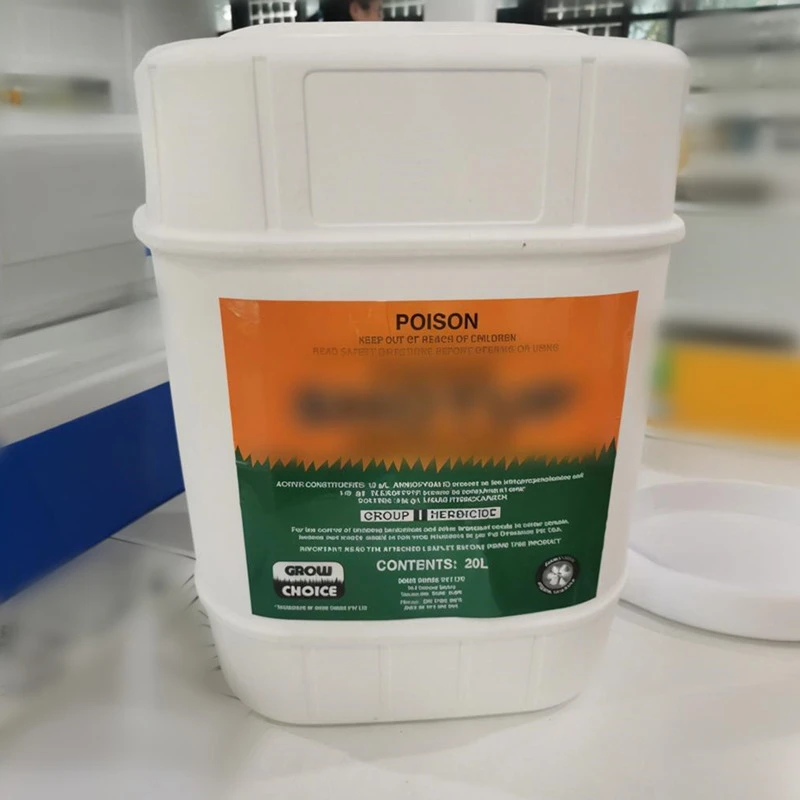
The Basics: Product Name and Brand
The first thing you’ll notice on a fungicide label is the product name and brand. This is the identifier that distinguishes one product from another. The brand represents the manufacturer or supplier, and it’s often associated with a certain level of quality and reliability. As a fungicides supplier, I take great pride in the brands we offer, ensuring that they meet the highest industry standards. When choosing a fungicide, it’s important to consider the reputation of the brand. Well – established brands are more likely to have conducted extensive research and testing on their products, providing you with a more effective and safer solution.
Active Ingredients
The active ingredients are the heart of any fungicide. They are the chemical substances that actually kill or inhibit the growth of fungi. On the label, you’ll find a list of active ingredients along with their percentages. Understanding the active ingredients is crucial because different fungi may be more susceptible to certain chemicals. For example, some fungicides contain copper – based active ingredients, which are effective against a wide range of fungal diseases, including downy mildew and blight. Others may contain synthetic chemicals like azoxystrobin, which is known for its systemic action, meaning it can be absorbed by the plant and protect it from within.
As a supplier, I always make sure to provide detailed information about the active ingredients in our fungicides. This helps our customers choose the right product for their specific needs. If you’re dealing with a particular fungal problem, it’s important to research which active ingredients are most effective against that type of fungus. You can also consult with agricultural extension services or experts in the field for advice.
Product Use and Target Pests
The label will clearly state the intended use of the fungicide and the target pests. This includes the types of crops or plants the product can be used on, as well as the specific fungal diseases it is designed to control. For instance, a fungicide may be labeled for use on tomatoes to control early blight or on roses to control black spot.
It’s essential to follow these instructions carefully. Using a fungicide on a plant or for a disease that is not listed on the label can be ineffective and may even cause damage to the plant. As a supplier, I educate my customers about the appropriate use of our products to ensure they get the best results. If you’re unsure about the suitability of a fungicide for your situation, don’t hesitate to ask for help.
Application Instructions
This section of the label is perhaps the most important. It provides detailed information on how to apply the fungicide properly. It includes the method of application (such as spraying, dusting, or soil drenching), the rate of application (how much product to use per unit area), and the timing of application.
The method of application is crucial for ensuring that the fungicide reaches the target area effectively. For example, spraying is the most common method for foliar applications, but it’s important to use the right type of sprayer and adjust the nozzle settings for optimal coverage. The rate of application is determined by factors such as the type of crop, the severity of the fungal infestation, and the formulation of the fungicide. Using too little may not provide adequate control, while using too much can be wasteful, harmful to the environment, and potentially dangerous to the plant.
Timing is also a critical factor. Some fungicides need to be applied preventively, before the fungal disease appears, while others can be used curatively, after the disease has already started. As a supplier, I often work with my customers to develop a proper application schedule based on their specific circumstances.
Safety Precautions
Safety is always a top priority when handling fungicides. The label contains a wealth of information about safety precautions, including personal protective equipment (PPE) requirements, first – aid measures, and environmental hazards.
PPE requirements typically include wearing gloves, goggles, a respirator, and protective clothing. These items help protect you from direct contact with the fungicide and inhalation of its fumes. First – aid measures are provided in case of accidental exposure, such as what to do if the fungicide gets in your eyes or on your skin. It’s important to have this information readily available and to keep a first – aid kit nearby when using fungicides.
The label also warns about environmental hazards, such as the potential impact on non – target organisms like birds, bees, and fish. As a responsible supplier, I promote the use of fungicides in an environmentally friendly way. This includes following the label instructions carefully to minimize any negative effects on the ecosystem.
Storage and Disposal
Proper storage and disposal of fungicides are essential for maintaining their effectiveness and protecting the environment. The label provides instructions on how to store the product, including temperature and humidity requirements, and whether it should be kept in a sealed container.
Fungicides should be stored in a cool, dry place away from children, pets, and food products. Improper storage can lead to degradation of the product, reducing its effectiveness. When it comes to disposal, the label will tell you the proper way to dispose of empty containers and any leftover product. This may involve recycling the containers or taking them to a hazardous waste disposal facility.
Regulatory Information
The label also includes regulatory information, such as registration numbers and compliance with local and national regulations. These numbers indicate that the fungicide has been tested and approved by the relevant authorities for use. As a supplier, I ensure that all the products we offer are fully compliant with regulatory requirements. This gives our customers peace of mind knowing that they are using safe and legal products.
Reading the Fine Print: Additional Information
In addition to the main sections, the label may contain some fine – print information. This can include information about compatibility with other pesticides or fertilizers, re – entry intervals (the amount of time you need to wait before entering a treated area), and pre – harvest intervals (the time between the last application of the fungicide and the harvest of the crop).
Compatibility is important if you plan to use other products in conjunction with the fungicide. Using incompatible products can lead to chemical reactions that may reduce the effectiveness of the fungicide or cause damage to the plant. Re – entry intervals and pre – harvest intervals are set to ensure the safety of workers and consumers. It’s important to follow these intervals strictly to avoid any potential health risks.
Conclusion
Reading the label on a fungicide product is a skill that every user should master. It provides essential information about the product’s use, safety, and effectiveness. As a fungicides supplier, I am committed to providing high – quality products and educating my customers about how to use them properly.

If you’re in the market for fungicides and have any questions about product selection, application, or safety, I encourage you to reach out to me. I’m always happy to help you make the best choices for your agricultural or horticultural needs. Whether you’re a large – scale farmer or a home gardener, I can provide you with the expertise and products you need to keep your plants healthy and free from fungal diseases.
MCPA Let’s work together to ensure the success of your crops and the safety of your environment. Contact me today to start a conversation about your fungicide requirements.
References
- "Fungicide Labels: A Guide to Understanding and Using Them Safely", United States Department of Agriculture.
- "Pesticide Labeling Questions and Answers", Environmental Protection Agency.
- "Principles of Fungicide Use in Crop Protection", International Society for Plant Pathology.
Changzhou Dayilong Bio-Tech Co., Ltd.
With abundant experience, we are one of the most professional fungicides manufacturers and suppliers in China. Please rest assured to buy bulk high quality fungicides made in China here from our factory. Good service and reasonable price are available.
Address: Hundsun Science & Technology Park 3-1, BeiTangHe Road 8, Tianning District, Changzhou City, Jiangsu, China
E-mail: Sales@dayilongbio-tech.com
WebSite: https://www.dayilongagro-chemical.com/
