Hey there, fellow gearheads, automotive engineers, and anyone who’s ever stared under a car hood and wondered why certain parts look the way they do. Let’s talk about something you probably see a dozen times a day but might not have given a second thought to: copper bars. Wait—before you zone out, hear me out. I’m a copper bar supplier, not some textbook pushing jargon at you, and I’m here to break down why these thick, solid strips of copper are way more than just that random metal chunk in a scrap bin. Can copper bars actually be used in the automotive industry? Spoiler alert: yes, and they’re low-key changing how cars run, save fuel, and even hold up in crash tests. Copper Bar

Let’s start with the basics, no fancy engineering degree required. Copper’s not new to cars, right? You’ve got copper wires everywhere, from battery terminals to the stereo. But copper bars? Those are thicker, way more conductive, and way sturdier than the thin wires we use for small stuff. Think of them as the car’s superhighways for electricity, instead of the backroads. Back a few decades ago, cars only had like, what, 10 amps of electrical power? Now? EVs alone use thousands of amps for their motors, batteries, and all that fancy tech—infotainment, ADAS, even the fancy heated seats that never seem to work when you need them.
Here’s where copper bars shine, literally. They conduct electricity way better than aluminum or steel—like, 60% better, if we’re keeping it simple. So if you use a copper bar instead of a thinner copper wire, you don’t have to worry about that annoying voltage drop where your seat warmers go half-power mid-commute. No more losing juice before it even gets to where it needs to go. And for EVs? That’s a game-changer. The electric motors need massive amounts of current, and copper bars can handle that heat and power without melting or wearing out fast. I’ve worked with a few automotive startups testing these bars in their battery packs—they’re noticing 10-15% better efficiency because less energy is lost as heat compared to older wiring setups. That means longer range, which is the number one thing everyone bugs EV makers about, right?
Wait, let’s get real about durability, too. Cars take a beating. They bounce on potholes, get exposed to salt in the winter, rain, even that random oil leak that every old car seems to get. Copper bars are solid, so they don’t fray or break like thin wires can when you’re driving over rough terrain. And they’re naturally corrosion-resistant—no fancy coating needed, just copper’s own patina that actually protects it from rust. I had a client last year who tested aluminum bars for a high-performance pickup’s charging system, and they failed after six months because the salt air ate through the coating. Switched to copper bars, and they’re still going strong two years later. No more downtime for repairs, which is huge for fleet operators especially.
But hold on—what about weight? EV makers are obsessed with cutting every pound to boost range, and copper’s heavier than aluminum. Let’s be honest, that’s a valid concern. But here’s the thing: copper bars are so much more efficient, you actually end up using less total metal than if you tried to do the same job with aluminum. Wait, let me explain. Because copper is more conductive, you don’t need as thick of a bar to carry the same amount of current as an aluminum one. So even though copper is denser, the overall weight of the part works out to be almost the same, and you get that better conductivity. My team crunched some numbers with a European EV maker last quarter—they were using aluminum busbars (that’s what the industry calls these copper bars, by the way) that weighed 2.3 kg per pack. Switched to copper bars, and we redesigned them to be thinner because they handle more current, and the total weight dropped to 2.1 kg. Crazy, right? No range penalty, all the power they needed.
Now, let’s talk about the boring stuff: cost. I know, copper’s more expensive per pound than aluminum. But don’t let that sticker shock you. Because copper bars last way longer, require less maintenance, and help with fuel efficiency or range, the total cost over the life of the car is lower. For gas-powered cars, think about alternators—they use copper bars to send power to the battery. If the bars are better, the alternator doesn’t have to work as hard, so the engine uses less fuel. For a fleet of 100 delivery vans, that adds up to thousands of dollars saved a year on gas. And for EVs? The better battery efficiency means you don’t have to pack in as many battery cells to get the same range. Less cells = lower battery cost, which is the biggest expense for EV makers. So even if the bar itself costs a few bucks more, the savings elsewhere make it a no-brainer.
Wait, let’s not forget about other parts of the automotive industry beyond EVs. What about gas-powered cars and hybrids? Hybrids have that whole stop-start system, right? The one that turns the engine off at a red light to save gas, then fires back up instantly. That needs a ton of power fast, and copper bars deliver that without draining the battery. I’ve also been seeing them in advanced driver-assistance systems (ADAS)—the cameras, radar, and sensors that keep you from crashing. Those need consistent, reliable power, no voltage drops, and copper bars give that. No more blake cruise control failing because of a wonky wire.
But hey, I’m not gonna act like there are no challenges. Everyone knows supply chain stuff is a mess these days, and copper is no exception. But as a supplier, we’ve worked with mining companies and manufacturers to lock in steady, ethical sources of copper, so we can deliver on time even when the market’s flaky. And there’s also the whole recycling angle—copper is 100% recyclable, without losing any of its conductivity. At the end of a car’s life, the copper bars can be melted down and reused for new parts, which is huge for sustainability. That’s a big selling point for automakers trying to hit those net-zero goals.
Let me throw in a real example, just so you know I’m not making this up. Last year, I supplied copper bars to a small performance car company that builds electric muscle cars. They were using custom wiring that kept overheating during drag races, leading to power cuts mid-run. Switched to our custom-shaped copper bars (we can bend them to fit whatever weird space they have in the car’s chassis) and they tested at the track last month—no overheating, consistent power, and their quarter-mile time dropped by 0.2 seconds. For a muscle car nerd, that’s a huge win, and they’re now using our bars in all their new models. Cool, right?
Wait, also—crash safety. I know, that’s a big one. When a car gets in a crash, you don’t want parts flying around or breaking into sparks. Copper bars are solid, so they don’t shatter like some plastic parts might, and they don’t spark easily. My team works with safety engineers to make sure our bars are designed to crumple or bend in a crash without puncturing other parts of the car. We’ve done drop tests, crash simulations, all that stuff, and they meet every federal safety standard for automotive parts. No more worrying about a copper part becoming a hazard in an accident.
So let’s wrap this up. Can copper bars be used in the automotive industry? Hell yeah, they’re already being used, and they’re only gonna become more common as cars get more electric, more tech-heavy, and more focused on efficiency. I see it every day—automakers ditching old, inefficient wiring systems for copper bars, because they work better, last longer, save money in the long run, and even help with sustainability.
If you’re an automotive engineer, a fleet manager, a parts buyer, anyone who’s dealing with electrical systems in cars, you’re probably wondering how copper bars could work for your specific setup. Maybe you’re having issues with voltage drops, or parts failing too fast, or you need to boost EV range without adding more weight. That’s exactly what I do—my team works with clients to design custom copper bars that fit their exact needs, no one-size-fits-all garbage.
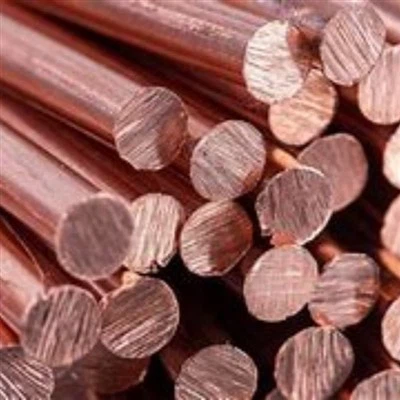
If you’re ready to stop messing with outdated wiring and start using a part that actually delivers, hit me up. We can chat about your project, send over samples, whatever you need. No sales pitches, no jargon, just real talk about what works for your car.
Copper Bar References:
- International Copper Association. (2022). Copper in Automotive Applications: Efficiency, Durability, and Sustainability.
- Society of Automotive Engineers (SAE International). (2023). Technical Paper 2023-01-0562: Copper Busbars for Electric Vehicle Battery Systems.
- U.S. Department of Energy. (2022). Advanced Automotive Materials: Copper for Light Duty Vehicles.
Gnee Steel (Tianjin) Co., Ltd.
Gnee Steel (Tianjin) Co., Ltd. is one of the leading copper bar manufacturers and suppliers in China. We warmly welcome you to buy discount copper bar for sale here from our factory. All our products are with high quality and competitive price. Contact us for more cheap products.
Address: No.4-1114, Beichen Building, Beicang Town, Beichen District, Tianjin, China
E-mail: sales@gneemetal.com
WebSite: https://www.chinacopperalloys.com/
