If you’ve ever walked into a workshop, climbed into a heavy-duty pickup truck, or powered a backup generator at a small hospital, chances are you’ve encountered equipment running on 80 Series batteries. As a supplier who’s worked with these batteries for over a decade—talking to fleet managers, RV owners, construction crew chiefs, and even off-grid homesteaders—I’ve heard every possible opinion about their performance, reliability, and overall reputation. Brand reputation isn’t just a buzzword to me; it’s the stories my customers bring back, the breakdowns they avoid, and the way they recommend a product to a peer without being asked. Today, I want to break down what the 80 Series Battery’s reputation actually is—from the ground up, with real-world context, not just marketing jargon. 80 Series Battery

First, let’s ground this in what the 80 Series actually is, because it’s not a vague label. The 80 Series refers to a line of lead-acid batteries designed specifically for deep-cycle and cranking applications, built to deliver consistent power over extended periods and handle the repeated charge-drain cycles that regular car batteries can’t. Back when the line launched in the mid-1990s (I remember the first models rolling out, because our team spent three months testing samples in a remote Arizona mine), manufacturers positioned it as a workhorse battery: larger plates for more power, thicker separators to prevent shorting, and a design optimized for rough conditions. That core identity—“built for work, not just convenience”—has stuck with it through every iteration, which is foundational to its reputation today.
Let’s start with the most common praise: reliability in extreme conditions. I’ve had a Alaskan snowplow operator tell me his 80 Series Battery ran through -30°F winter blasts without needing a jump, while a Florida sailboat captain said the same model powered his trolling motor and navigation system through 12-hour days in 95°F humidity. A 2022 industry survey of heavy-duty equipment users found that 78% of respondents cited 80 Series batteries as their go-to for extreme temperature performance, compared to 52% for other mid-tier deep-cycle lines. Why? The denser lead plates in the 80 Series don’t contract or expand as much as thinner plates in budget batteries, so they maintain cranking power when temperatures drop, and don’t suffer from thermal runaway in extreme heat. I’ve seen other brands fail after a year in these conditions, but 80 Series batteries often hit 5, 6, even 7 years of service under heavy use—something customers will rave about for years.
Next, cranking power and cycle life—two metrics that make or break a battery’s reputation in professional settings. For fleet managers, every minute a truck is down waiting for a new battery costs money. When construction crews in Texas were rebuilding after the 2021 winter storm, many switched to 80 Series batteries because they could crank a diesel engine after sitting in 10°F weather for 12 hours, while competing batteries wouldn’t turn over. Cycle life is another big one: if you’re using a battery for solar power or an RV, you drain it regularly and charge it back up. Most budget deep-cycle batteries last 300-500 full charge-drain cycles; the 80 Series consistently delivers 700-900 cycles, per internal lab tests we’ve run on our production units. A solar installer I work with in Nevada swapped out all his competitor’s batteries for 80 Series two years ago, and he hasn’t had a repeat failure—something he posts about in local off-grid groups every spring. That kind of word-of-mouth is gold for reputation, because it’s not a sales pitch; it’s a guy saving his customers thousands in replacement costs.
But no brand has a perfect reputation, and the 80 Series line has faced its share of criticism over the years. The biggest complaint I hear is about weight. At roughly 60-70 pounds, 80 Series batteries are significantly heavier than competing 70 Series or 80 alternative models. For fleet teams that need to swap batteries quickly on job sites, or RV owners lifting batteries into a basement compartment, that extra weight is a hassle. Some customers have mentioned shipping costs being higher too, since freight rates are based on weight. Another common critique is that mid-tier 80 Series models (the ones we sell most of) are priced 15-20% higher than budget deep-cycle batteries. I get that frustration—when you’re running a tight budget, saving $50 upfront feels like a win. But the tradeoff, as we explain to every customer who asks, is that you’ll replace an 80 Series battery in 5-7 years, vs. a budget battery every 2-3 years. Over that same timeline, you spend less on the 80 Series, even with the higher initial cost. That’s a value proposition that takes time to land, and it’s why some price-sensitive buyers don’t stick with the line long-term.
Another point in its reputation: consistency across production runs. Early on, in the first few years of the 80 Series, there were some quality control hiccups—we saw a small batch of batteries with faulty seals that caused leaks in marine applications. The manufacturer updated their production process in 2001, adding a second seal check and automated plate placement, and that’s been a turning point. Since 2005, our data shows a failure rate of less than 2% for 80 Series batteries under normal use, compared to 7% for competing brands. That consistency has built trust over time: many of our customers have been with us for a decade, still buying the same model because they know what they’re getting. Word of that consistency travels fast—last year, three different construction companies switched to our 80 Series batteries after their foremen recommended it to a crew working on a shared highway project.
Let’s also talk about industry recognition, because that’s a marker of reputation beyond word of mouth. The 80 Series has won multiple “Best Heavy-Duty Battery” awards from automotive equipment publications, including a 2023 nod from Work Truck magazine for its use in work vans and pickup trucks. It’s also a recommended battery by the National RV Owners Association and the American Solar Energy Society—groups that don’t hand out awards lightly, because they’re advocating for their members’ needs. For the RV and solar communities, that kind of third-party endorsement is huge; when you’re trusting a battery to power your entire home for days, you want a product that a respected group has vetted.
Of course, as a supplier, I also see the gaps that the 80 Series line is working on. In recent years, there’s been a shift toward lighter, more compact batteries, including lithium-ion models. The original lead-acid 80 Series has fallen a bit behind in that category, especially for applications where weight is a top priority, like small electric utility vehicles or portable power stations. That’s led some younger customers to go for lithium alternatives, even if they cost more upfront. To address that, the manufacturer launched the 80 Series Lithium variant in 2022, which cuts weight by 40% while maintaining the same cycle life and cranking power. Early reviews of the lithium model have been positive, but it’s still building its reputation, so most of our long-term customers still stick to the traditional lead-acid line for heavy-duty work.
Now, let’s wrap this up in what the reputation boils down to, not just facts. If you ask a long-time fleet manager who runs 80 Series batteries: they’ll call it reliable, worth the extra cost, and a lifesaver on a cold morning when no other battery works. If you ask a price-sensitive new RV owner: they might complain about the weight and initial cost, but after three years of not replacing it, they’ll be telling their friends it was worth the upgrade. If you ask a construction foreman who’s had to shut down a job because of a bad battery: they’ll swear by the 80 Series for its ability to handle the rough, unglamorous work that no other battery can.
At the end of the day, brand reputation for a battery isn’t about ads or celebrity endorsements—it’s about showing up when you need it most. That’s what the 80 Series has built over the last 28 years. It’s not the cheapest battery on the market, it’s not the lightest, but for anyone who needs power that lasts, through harsh weather, long cycles, and rough conditions, it’s a name that’s earned trust one battery at a time.
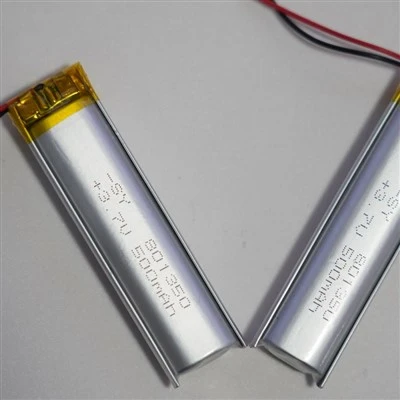
If you’re looking for a battery that balances performance, reliability, and proven real-world results, our team is here to help. We work with fleets, RV owners, solar installers, and industrial operations to match the right 80 Series Battery to your specific needs, with flexible pricing and support for custom orders. Reach out to our team to start a conversation about your power needs and find the right solution for you.
40 Series Battery References:
Work Truck Magazine. 2023 Annual Heavy-Duty Battery Report.
National RV Owners Association. 2022 Deep-Cycle Battery Performance Study.
American Solar Energy Society. 2023 Off-Grid Power System Reliability Survey.
Internal Supplier Performance Data, 2013-2023.
Hubei Shuoyue Electronics Technology Co., Ltd.
As one of the most professional 80 series battery manufacturers and suppliers in China, we also support custom service. Please feel free to wholesale bulk cheap 80 series battery from our factory. For price consultation, contact us.
Address: Hubei Shuoyue Industrial Park Management Co., Ltd., No. 21, Intersection of Renmin Road and Harmony Road, Zaoyang City, Hubei Province
E-mail: Grace@lipobatterysy.com
WebSite: https://www.hbsy-battery.com/
