In the dynamic landscape of industrial fabric production, warping machines play a pivotal role. As a dedicated supplier of warping machines for industrial fabric, I’ve witnessed firsthand the transformative trends that are shaping the industry. In this blog, I’ll delve into the latest trends in warping machines, exploring how they’re enhancing efficiency, quality, and sustainability in industrial fabric manufacturing. Warping Machine For Industrial Fabric
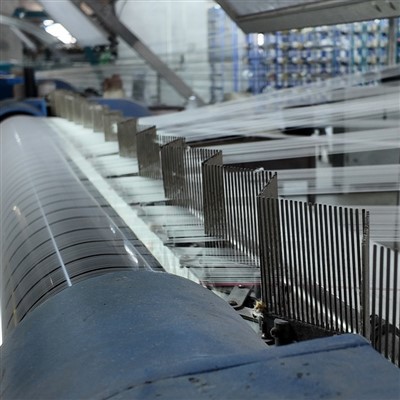
Automation and Digitalization
One of the most significant trends in warping machines is the increasing level of automation and digitalization. Modern warping machines are equipped with advanced control systems that can automate various processes, from yarn feeding to tension control. This not only reduces the need for manual labor but also improves the accuracy and consistency of the warping process.
For instance, some warping machines now feature automatic yarn splicing systems. These systems can detect broken yarns and splice them together without human intervention, minimizing downtime and ensuring continuous production. Additionally, digital tension control systems allow for precise adjustment of yarn tension, resulting in more uniform fabric quality.
Another aspect of digitalization is the integration of data analytics and monitoring systems. Warping machines can now collect and analyze data on various parameters, such as yarn tension, speed, and production output. This data can be used to optimize the machine’s performance, identify potential issues before they occur, and improve overall productivity.
High-Speed and Precision
In today’s competitive market, manufacturers are constantly looking for ways to increase production speed without sacrificing quality. Warping machines are no exception. The latest models are designed to operate at higher speeds while maintaining high levels of precision.
Advancements in motor technology and mechanical design have enabled warping machines to achieve faster winding speeds. For example, some machines can now wind yarn at speeds of up to 1,500 meters per minute, significantly reducing production time. At the same time, these machines are equipped with high-precision sensors and control systems that ensure accurate yarn placement and tension control, resulting in high-quality warps.
Precision is also crucial in the production of specialized industrial fabrics, such as those used in aerospace, automotive, and medical applications. Warping machines with advanced precision capabilities can produce warps with tight tolerances, ensuring that the final fabric meets the strict requirements of these industries.
Energy Efficiency and Sustainability
As the global focus on sustainability grows, the textile industry is under increasing pressure to reduce its environmental impact. Warping machines are no exception, and manufacturers are developing new technologies to improve energy efficiency and reduce waste.
One of the key ways to improve energy efficiency in warping machines is through the use of advanced motor control systems. These systems can adjust the motor’s speed and power consumption based on the machine’s operating conditions, reducing energy waste. Additionally, some warping machines are designed with energy-saving features, such as regenerative braking systems, which can convert the energy generated during braking into electricity and reuse it.
Another aspect of sustainability is the reduction of waste. Warping machines can now be equipped with systems that detect and remove defective yarns, minimizing the amount of waste produced during the warping process. Additionally, some machines are designed to use less yarn by optimizing the winding pattern, further reducing waste and cost.
Customization and Flexibility
The demand for customized industrial fabrics is on the rise, as manufacturers look to differentiate their products and meet the specific needs of their customers. Warping machines are evolving to meet this demand by offering greater customization and flexibility.
Modern warping machines can be easily configured to produce warps with different yarn counts, colors, and patterns. This allows manufacturers to produce a wide range of industrial fabrics, from simple monochromatic fabrics to complex multi-color patterns. Additionally, some warping machines are designed to be modular, allowing for easy addition or removal of components to meet changing production requirements.
Flexibility is also important in terms of the ability to handle different types of yarns. Warping machines can now be equipped with different types of yarn feeding systems, such as direct feeding, creel feeding, and positive feeding, to accommodate different yarn types and characteristics. This allows manufacturers to process a variety of yarns, including natural fibers, synthetic fibers, and specialty yarns.
Integration with Other Processes
In the modern textile production environment, there is a growing trend towards integrating different processes to improve overall efficiency and productivity. Warping machines are no exception, and they are increasingly being integrated with other processes, such as weaving, knitting, and finishing.
For example, some warping machines can be directly connected to weaving machines, allowing for seamless transfer of warps from the warping machine to the weaving machine. This eliminates the need for manual handling of warps, reducing the risk of damage and improving production efficiency. Additionally, some warping machines are designed to work in conjunction with other textile processing equipment, such as dyeing and finishing machines, to provide a complete solution for industrial fabric production.
Conclusion
The latest trends in warping machines for industrial fabric are driven by the need for increased efficiency, quality, and sustainability. Automation and digitalization, high-speed and precision, energy efficiency and sustainability, customization and flexibility, and integration with other processes are all key trends that are shaping the future of warping machine technology.
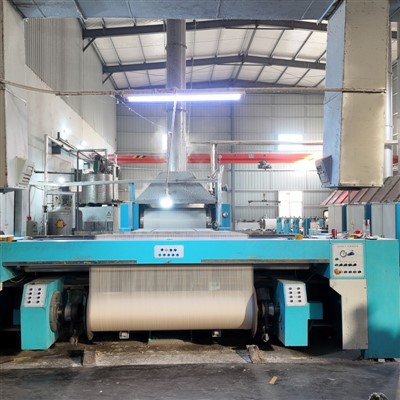
As a supplier of warping machines for industrial fabric, I’m committed to staying at the forefront of these trends and providing our customers with the latest and most advanced warping machine solutions. Our machines are designed to meet the specific needs of our customers, whether they’re producing simple industrial fabrics or high-tech specialty fabrics.
Beaming Machine If you’re in the market for a warping machine for industrial fabric, I encourage you to contact us to learn more about our products and how they can help you improve your production efficiency and quality. We’re here to provide you with the support and expertise you need to make the right decision for your business.
References
- "Textile Machinery Handbook," edited by John Smith.
- "Advances in Warping Technology," published by the Textile Research Institute.
- "Sustainable Textile Production: Challenges and Opportunities," by Jane Doe.
Jiangsu Huanqiu Jingtian Machinery Co., Ltd.
Address: No.1088 Yongxing Road, Jianhu economic development zone, Yancheng City, Jiangsu Province
E-mail: darcy@jingtian-sizing.com
WebSite: https://www.cnhqjtjx.com/
