Hey there! As a PVC pipe supplier, I get asked a ton of questions about our products. One of the most common ones is, "Can PVC pipes be used for hot water?" It’s a great question, and I’m here to break it all down for you. PVC Pipe
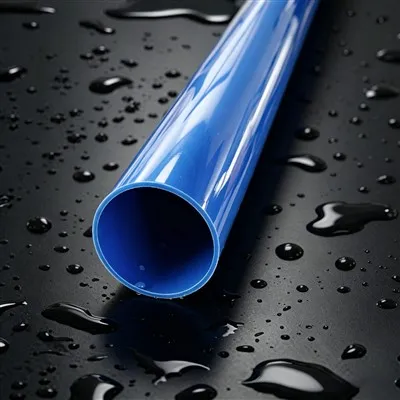
First off, let’s talk a bit about PVC pipes. PVC stands for polyvinyl chloride, and it’s a type of plastic that’s been around for ages. It’s super popular for plumbing because it’s cheap, easy to work with, and lasts a long time. You’ll find PVC pipes in all sorts of places, from homes to commercial buildings.
Now, back to the hot water question. The short answer is, it depends. PVC pipes are generally not recommended for hot water applications. Here’s why.
PVC has a relatively low heat tolerance. Most PVC pipes are rated to handle water temperatures up to around 140°F (60°C). Once the water gets hotter than that, the PVC starts to soften. This can lead to all sorts of problems. For example, the pipes might start to sag or deform. If the deformation is bad enough, it can cause blockages in the pipes, which means your water flow will be restricted.
Another issue with using PVC for hot water is that the hot water can cause the PVC to release chemicals. PVC is made with a bunch of additives to make it strong and flexible. When the PVC is exposed to hot water, these additives can leach out into the water. Some of these chemicals, like phthalates, have been linked to health problems. So, from a health and safety perspective, it’s not a great idea to use PVC for hot water.
But wait, there’s a twist! There is a type of PVC called CPVC (chlorinated polyvinyl chloride). CPVC is basically PVC that’s been treated with chlorine to increase its heat resistance. CPVC pipes can handle water temperatures up to around 200°F (93°C). That’s a big improvement over regular PVC.
CPVC is a much better option for hot water applications. It’s still affordable, easy to install, and durable. You can use CPVC for things like hot water supply lines in your home or in a commercial building. It won’t soften or deform as easily as regular PVC, and it’s less likely to release harmful chemicals into the water.
So, if you’re looking for a pipe to use for hot water, I’d definitely recommend going with CPVC. But if you’re on a really tight budget and the water temperature won’t get too high, you might be able to get away with using regular PVC. Just make sure you keep an eye on the water temperature and watch for any signs of deformation.
Now, let’s talk about some of the benefits of using PVC and CPVC pipes in general. One of the biggest advantages is that they’re lightweight. This makes them easy to transport and install. You don’t need heavy equipment to move them around, and you can cut them with a simple saw.
Another benefit is that PVC and CPVC pipes are resistant to corrosion. Unlike metal pipes, they won’t rust or corrode over time. This means they’ll last longer and require less maintenance. You won’t have to worry about leaks or blockages caused by rust.
PVC and CPVC pipes are also very smooth on the inside. This allows water to flow through them more easily, which means you’ll have better water pressure. You won’t have to deal with low water pressure or slow drainage.
As a PVC pipe supplier, I’ve seen firsthand how these pipes can make a big difference in a plumbing system. Whether you’re a homeowner doing a DIY project or a professional plumber working on a commercial job, PVC and CPVC pipes are a great choice.
If you’re interested in using PVC or CPVC pipes for your next project, I’d love to talk to you. We have a wide range of pipes in different sizes and thicknesses to meet your needs. Our prices are competitive, and we offer great customer service.
Just reach out to us, and we can discuss your project in more detail. We can help you choose the right pipes for your hot water or cold water applications. Whether you need a small amount of pipes for a home repair or a large quantity for a commercial construction project, we’ve got you covered.
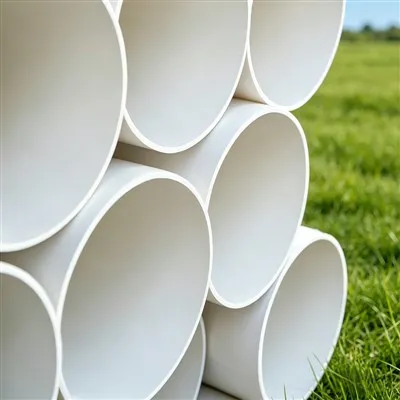
In conclusion, while regular PVC pipes aren’t the best choice for hot water, CPVC pipes are a great option. They offer the benefits of PVC pipes, like affordability and ease of installation, but with the added heat resistance needed for hot water applications. So, if you’re in the market for pipes, give us a shout, and let’s get your project started.
PPR Pipe References:
- "Plumbing Materials Handbook" by the American Society of Plumbing Engineers
- "PVC and CPVC Pipes: A Guide to Installation and Use" by the Plastic Pipe Institute
Hebei Ruijie Pipe Industry Co., Ltd.
Hebei Ruijie Pipe Industry Co., Ltd. is one of the most experienced PVC pipe manufacturers and suppliers in China. With a professional production team, we are able to meet the needs of the majority of our customers. Welcome to wholesale high quality PVC pipe in stock here from our factory. Contact us for pricelist and free sample.
Address: Industrial Park, Shaozhuang Township, Suning County, Cangzhou City, Hebei Province
E-mail: 1987870474@qq.com
WebSite: https://www.rjpprpipe.com/
