As a supplier of magnetic drill presses, I’ve witnessed firsthand the significance of drill bit breakage prevention mechanisms. Drill bit breakage not only disrupts the workflow but also incurs additional costs for bit replacement. In this blog, I’ll delve into the various mechanisms that our magnetic drill presses employ to prevent drill bit breakage, providing a detailed understanding of how these features enhance the efficiency and longevity of the drilling process. Magnetic Drill Press
Understanding the Causes of Drill Bit Breakage
Before exploring the prevention mechanisms, it’s crucial to understand the common causes of drill bit breakage. One of the primary causes is excessive feed pressure. When too much pressure is applied during drilling, the drill bit can experience high stress levels, leading to breakage. This often occurs when operators try to drill through tough materials too quickly or when they fail to adjust the feed rate according to the material’s hardness.
Another cause is improper cutting speed. A drill bit rotating at an incorrect speed can generate excessive heat and friction, weakening the bit and increasing the risk of breakage. For example, if the cutting speed is too high for the material being drilled, the bit may overheat and lose its hardness, making it more susceptible to damage.
Vibration is also a significant factor. During the drilling process, vibrations can cause the drill bit to chatter, resulting in uneven cutting forces and potential breakage. Vibration can be caused by various factors, such as a poorly balanced drill bit, loose machine components, or an unstable workpiece.
Automatic Feed Control
One of the key mechanisms in our magnetic drill presses for preventing drill bit breakage is automatic feed control. This feature allows the drill press to adjust the feed rate automatically based on the material’s hardness and the drill bit’s size. By maintaining a consistent and appropriate feed rate, the drill bit is less likely to experience excessive stress, reducing the risk of breakage.
Our automatic feed control system uses advanced sensors to monitor the drilling process in real – time. These sensors detect changes in the cutting forces and adjust the feed rate accordingly. For example, when the drill bit encounters a harder section of the material, the system will automatically slow down the feed rate to prevent overloading the bit. Conversely, when drilling through softer materials, the system can increase the feed rate to improve the drilling efficiency.
This intelligent control not only protects the drill bit but also ensures a more precise and clean hole. With a consistent feed rate, the drill bit cuts through the material evenly, reducing the likelihood of burrs and improving the overall quality of the drilled hole.
Torque Limiting
Torque limiting is another essential mechanism in our magnetic drill presses. Torque is the rotational force applied to the drill bit, and excessive torque can cause the bit to break. Our drill presses are equipped with torque limiters that prevent the torque from exceeding a pre – set value.
The torque limiter works by disengaging the drive mechanism when the torque reaches the maximum limit. This protects the drill bit from being subjected to excessive forces, especially in situations where the bit gets stuck or encounters an unexpected obstruction. For example, if the drill bit hits a hard inclusion in the material, the torque limiter will disengage, preventing the bit from breaking.
In addition to protecting the drill bit, torque limiting also enhances operator safety. By preventing sudden and excessive torque, the risk of the drill press jerking or spinning out of control is significantly reduced, minimizing the potential for accidents.
Anti – Vibration Design
To address the issue of vibration, our magnetic drill presses feature an anti – vibration design. This design includes several components and techniques aimed at reducing the vibrations generated during the drilling process.
The base of our drill presses is made of high – density materials and is designed to provide a stable platform. A stable base helps to minimize the transfer of vibrations from the drill bit to the machine and the workpiece. Additionally, the drill head is carefully balanced to reduce any inherent vibrations caused by the rotation of the drill bit.
We also use vibration – dampening materials in the construction of the drill press. These materials absorb and dissipate the vibrations, preventing them from building up and causing damage to the drill bit. For example, rubber gaskets and shock – absorbing mounts are used in critical areas of the machine to isolate the drill head from the rest of the structure.
Coolant System
A well – designed coolant system is crucial for preventing drill bit breakage. During the drilling process, the friction between the drill bit and the material generates a significant amount of heat. Excessive heat can cause the drill bit to lose its hardness and become brittle, increasing the risk of breakage.
Our magnetic drill presses are equipped with a coolant system that delivers a continuous flow of coolant to the drill bit and the workpiece. The coolant helps to reduce the temperature by dissipating the heat generated during cutting. It also lubricates the drill bit, reducing friction and wear.
The coolant system is designed to be adjustable, allowing operators to control the flow rate of the coolant according to the drilling conditions. For example, when drilling through hard metals, a higher flow rate of coolant may be required to keep the drill bit cool.
Bit Monitoring and Detection
In addition to the above mechanisms, our magnetic drill presses are also equipped with bit monitoring and detection systems. These systems use sensors to monitor the condition of the drill bit during the drilling process.
The sensors can detect changes in the cutting forces, vibration levels, and temperature of the drill bit. If any abnormal conditions are detected, the system can alert the operator, allowing them to take corrective action before the drill bit breaks. For example, if the sensor detects an increase in vibration levels, it may indicate that the drill bit is starting to wear or that there is a problem with the drilling process. The operator can then stop the drilling and inspect the bit.
Conclusion
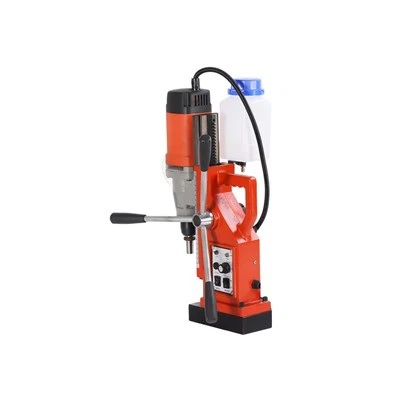
In conclusion, the drill bit breakage prevention mechanisms in our magnetic drill presses are a combination of advanced technologies and intelligent design. Automatic feed control, torque limiting, anti – vibration design, coolant systems, and bit monitoring all work together to protect the drill bit and ensure a smooth and efficient drilling process.
Mini Metal Lathes These mechanisms not only save costs by reducing the frequency of drill bit replacement but also improve the quality of the drilled holes and enhance operator safety. If you’re in the market for a magnetic drill press that offers superior drill bit protection, I encourage you to reach out to us for a detailed discussion. We’re committed to providing high – quality products and excellent customer service, and we’d be happy to help you find the right magnetic drill press for your specific needs.
References
- ASM Handbook Volume 16: Machining. ASM International.
- Machinery’s Handbook, 31st Edition. Industrial Press Inc.
- Cutting Tool Engineering Magazine. Various issues on drill bit technology and breakage prevention.
YS Machine Tools Co., Ltd.
We’re well-known as one of the leading magnetic drill press suppliers in China, featured by quality products and good service. Please rest assured to buy customized magnetic drill press at competitive price from our factory. Contact us for more details.
Address: 300 Sandusky st, Ohio, 43611, USA
E-mail: yishoumachinetools@gmail.com
WebSite: https://www.ysmachinetool.com/
