As a seasoned supplier in the LiFePO4 battery industry, I’ve witnessed firsthand the growing demand for reliable and safe energy storage solutions. In this blog post, I’ll delve into the safety features of LiFePO4 batteries, providing insights based on my extensive experience and industry knowledge. Lifepo4 Battery

1. Chemical Stability
One of the fundamental safety features of LiFePO4 batteries lies in their chemical composition. Lithium iron phosphate (LiFePO4) is an inherently stable compound compared to other lithium – ion battery chemistries, such as lithium cobalt oxide (LiCoO₂).
The phosphate – based structure of LiFePO4 provides a more stable crystal lattice. This stability means that the oxygen atoms are more tightly bound within the structure. In contrast, in LiCoO₂ batteries, the less – stable oxygen bonds can lead to oxygen release at elevated temperatures, which is a major contributor to thermal runaway. Thermal runaway is a self – accelerating process where the battery’s temperature rises uncontrollably, potentially leading to fire or explosion.
With LiFePO4, the risk of oxygen release is significantly reduced. Even under extreme conditions like overheating or overcharging, the structural integrity of the battery is better maintained, preventing violent chemical reactions that could harm users or equipment.
2. Overcharge Protection
During the charging process, overcharging can be a severe safety concern for batteries. LiFePO4 batteries are designed with advanced overcharge protection mechanisms.
Modern LiFePO4 battery management systems (BMS) are equipped with precise voltage sensors. These sensors continuously monitor the voltage of each cell within the battery pack. Once the voltage of a cell reaches a pre – set upper limit, the BMS immediately cuts off the charging current. This prevents the cells from being overcharged, which could lead to the formation of lithium metal deposits on the anode, a condition known as lithium plating. Lithium plating can cause short – circuits within the battery and increase the risk of thermal runaway.
Moreover, LiFePO4 itself has a lower overcharge reactivity compared to other lithium – ion chemistries. Even if the BMS fails to prevent a small amount of overcharging, the LiFePO4 battery is less likely to experience a catastrophic failure than other lithium – ion batteries.
3. Overdischarge Protection
Overdischarging is another issue that can damage batteries and pose safety risks. When a battery is overdischarged, the voltage drops too low, which can lead to irreversible chemical reactions in the electrodes.
LiFePO4 batteries are again safeguarded by their BMS. The BMS contains voltage sensors that monitor the discharge process. Once the cell voltage reaches a minimum safe level, the BMS disconnects the load from the battery. This protects the battery from excessive discharge and extends its lifespan.
In addition, the chemical properties of LiFePO4 make it more resistant to the negative effects of overdischarge. The stable crystal structure can withstand a certain degree of low – voltage conditions without significant structural damage compared to other lithium – ion battery chemistries.
4. Thermal Management
Thermal management is crucial for battery safety, as high temperatures can degrade battery performance and increase the risk of thermal runaway. LiFePO4 batteries have several built – in features for effective thermal management.
First, LiFePO4 has a relatively high thermal stability. It can operate at higher temperatures compared to some other lithium – ion chemistries without significant degradation or safety risks. The phosphate – based structure helps to dissipate heat more effectively, reducing the likelihood of localized hotspots within the battery.
Many LiFePO4 battery packs are also equipped with thermal management systems. These can include heat sinks, cooling fans, or liquid cooling systems. These components work together to maintain the battery within an optimal temperature range. For example, if the battery temperature rises above a certain threshold, the cooling system will activate to remove excess heat, ensuring the safety and performance of the battery.
5. Short – Circuit Protection
Short – circuits can occur due to various reasons, such as physical damage to the battery or faulty electrical connections. In the event of a short – circuit, a large amount of current can flow through the battery, generating excessive heat and potentially causing a fire or explosion.
LiFePO4 batteries are designed with short – circuit protection features. The BMS in a LiFePO4 battery pack is programmed to detect sudden changes in current flow that indicate a short – circuit. Once a short – circuit is detected, the BMS quickly disconnects the battery from the circuit to prevent the flow of high – current electricity.
In addition, LiFePO4 batteries often have physical barriers and insulation materials within the battery pack. These materials prevent the internal electrodes from coming into direct contact with each other, reducing the risk of an internal short – circuit.
6. Physical Robustness
The physical design of LiFePO4 batteries also contributes to their safety. They are typically housed in durable and well – engineered casings. These casings provide mechanical protection to the battery cells, preventing damage from external impacts, vibrations, or shocks.
For example, in industrial applications where batteries are subject to rough handling or in automotive applications where the battery is exposed to vibrations during driving, the robust casing of LiFePO4 batteries ensures that the internal components remain intact. This helps to prevent internal short – circuits that could be caused by physical deformation of the battery cells.
7. Environmental Safety
LiFePO4 batteries are more environmentally friendly compared to some other battery chemistries, which also reflects on their safety in a broader context. They do not contain heavy metals such as cobalt, lead, or mercury, which are toxic and can cause environmental pollution if the batteries are not properly disposed of.
In addition, the chemical stability of LiFePO4 means that in the event of a battery leak or damage, the substances released are less likely to cause harm to the environment or human health compared to batteries with more hazardous chemistries.
Contact for Procurement
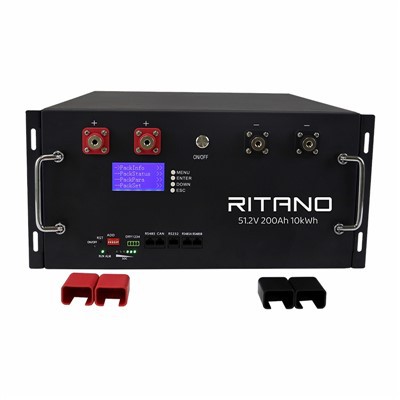
Given the numerous safety features of LiFePO4 batteries, they are an ideal choice for a wide range of applications, including renewable energy storage, electric vehicles, and portable electronics. If you are interested in procuring LiFePO4 batteries for your project, I’d be more than happy to discuss your requirements in detail.
Rack Mount Lithium Battery Reach out to start a conversation about how our high – quality, safe LiFePO4 batteries can meet your energy storage needs. Whether you need a small – scale battery for a residential application or a large – scale battery pack for an industrial project, I’m here to assist you every step of the way.
References
- Arrebola, A., & Arancibia – Baltazar, M. A. (2019). Lithium – ion battery technology: current state and future perspectives. Journal of Energy Storage, 23, 100730.
- Yang, X. – Q., Zhang, J., Kahaian, A. J., & Lemmon, J. P. (2017). A review of the features and analyses of the solid electrolyte interphase in lithium – ion batteries. Chemical Reviews, 117(23), 15090 – 15133.
- Omar, A., & El – Kady, M. F. (2020). Lithium – ion battery safety and thermal management: A review. Renewable and Sustainable Energy Reviews, 122, 109606.
Dongguan Ritano New Energy Co., Ltd.
With abundant experience, we are one of the most reliable lifepo4 battery manufacturers and suppliers in China. We warmly welcome you to wholesale customized lifepo4 battery made in China here from our factory. If you have any enquiry about quotation, please feel free to email us.
Address: Building 27, Jewelry Park, Huanchang North Road, Changping Town, Dongguan City, Guangdong Province
E-mail: Umi.sales@ritano.cn
WebSite: https://www.ritanopower.com/
