Is a Special Function Fan Worth the Investment? Special Function Fan
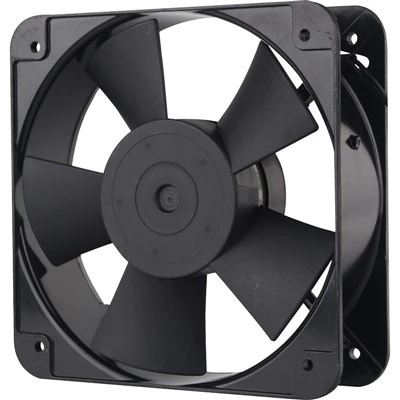
When I first launched my specialty fan supply business five years ago, I expected to compete with hundreds of big-box retailers selling standard box fans that go on sale for $10 every spring. What I didn’t expect was how many customers would come to me confused—they’d shopped around, tried the cheap options, and ended up frustrated with fans that either didn’t work for their space or broke within a year. Today, I’m still answering the same question: Is a special function fan worth the investment? Let’s break this down like we do with every customer who walks through our door (or messages our support line, since most orders are online now).
First, let’s define what a special function fan isn’t. It’s not a fancy box fan with a Bluetooth speaker built in, though that might be a fun extra. What sets these fans apart is their design purpose: they solve specific problems that standard fans can’t touch. Think about the places in your home or workplace where a regular fan fails. Maybe your attic gets sweltering in summer, and a standard floor fan just circulates hot air. Or you have a workshop with dust buildup that regular fans would blow all over your tools. Or a baby’s nursery where the air needs to be gentle and consistent, not blustery. That’s where special function fans come in—and their value starts right there, in solving those unique pain points.
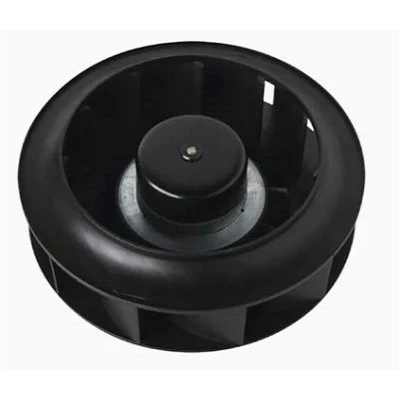
I remember a customer named Maria who came to me two years ago. She ran a small pottery studio in a converted garage, and she’d been using two large box fans to keep her workstations cool while she spun clay. But every time she ran them, the fine clay dust would swirl into the air, coating her pottery and making it hard to see what she was doing. She’d tried dust masks, but they made breathing hard during long work sessions. The special fan she ended up buying from us was a centrifugal dust-control fan, designed to pull air in through a HEPA filter and push filtered air out at a steady, low speed. She told me a month later that her clay quality had improved because no dust was sticking to the wet pieces, and her asthma attacks from the studio air had stopped. That’s the kind of result you can’t get from a $15 standard fan. Let’s do a quick cost breakdown here: Maria’s special fan cost $180. A standard fan would have cost $20, but she’d go through three of them a year because they’d overheat trying to push against the filter, plus she was losing money on ruined pottery. After one year, the special fan had already paid for itself in reduced pottery waste and medical co-pays. That’s a clear return on investment most people miss when they only look at the upfront price tag.
Another area where special function fans shine is climate control in hard-to-reach spaces. I worked with a school district last year that was struggling with overheating in their library basement. The space had low ceilings, no windows, and standard air conditioning units couldn’t cool it evenly. They tried 12 standard pedestal fans, which just created pockets of cool air and left other sections hot. We recommended two high-volume, low-speed (HVLS) special function fans, designed to move large amounts of air without creating drafts. The district’s facilities manager told me that after installing them, the library’s thermostat was able to run two degrees higher, cutting their monthly AC bill by $120. The fans cost $1,200 total, and they already have a 10-year warranty. By the third year, they’ll have saved more than enough on utilities to cover the full cost. Standard fans might have cost them $240 total, but they’d be blowing hot air around, not solving the actual temperature problem. For businesses, this kind of energy savings is huge—every dollar saved on utilities is a dollar that goes to staff raises, supplies, or other needs.
Now, I know what some of you are thinking: “I can just get a regular fan and a filter for my dust problem, right?” Maybe, but let’s talk about durability. The special function fans we supply are built with specific tasks in mind. A standard box fan has a simple motor made for short periods of use, maybe 4-6 hours a day. Our dust-control fan motors are designed to run 12 hours a day, seven days a week, with enclosed parts that keep dust from getting inside and damaging them. I had a customer who bought a standard fan for his woodworking shop and used it every day. It burned out in 8 months, and he’d spent $120 on two of them in that time. The special function fan he bought from us 18 months ago is still running strong, with no signs of wear. That’s a key point about investment: you’re not just paying for features, you’re paying for longevity and reliability, which lowers long-term costs.
But wait—are special function fans for everyone? No, and I tell customers that upfront. If you just need a fan to circulate air in a small bedroom that’s already cooled by AC, a standard $20 box fan is perfect. You don’t need to spend extra for a feature you’ll never use. The line gets blurry when you have a specific need that standard fans can’t meet. Let’s take nurseries, for example. Some people might use a standard fan, but they’re often too loud, too powerful, or have parts that a curious baby could pull on. Our nursery-specific special function fans have a bladed guard that’s impossible for tiny fingers to get through, a quiet DC motor that runs at a low hum (no more white noise that’s too loud), and a timer that shuts off after a set time so you don’t have to worry about it running all night. A parent might pay $150 for this, but they get peace of mind, a safe environment, and a fan that won’t accidentally overheat or break. That’s not a unnecessary expense—it’s an investment in your child’s safety and well-being, which has no price tag but is definitely worth it.
I also want to talk about energy efficiency, which ties directly into the long-term value. Special function fans are designed to be more efficient at their specific job than standard fans. For example, a bathroom exhaust fan that’s a special function model is engineered to move exactly the right amount of air for a bathroom, with a moisture sensor that turns it on automatically when humidity is high. A standard exhaust fan might move too much or too little air, using more energy to do the job. The EPA’s Energy Star program has data that shows Energy Star-certified special function fans use up to 60% less energy than standard models, which adds up over time. A family that runs their bathroom fan 10 minutes a day will save $30 a year on electricity with an Energy Star special function fan, instead of a standard one. Over 10 years, that’s $300 saved—enough to cover most of the upfront cost of the fan.
Of course, there are times when a special function fan might seem worth it on paper but isn’t for your situation. Let’s say you’re renting an apartment and only need a fan for the summer. The upfront cost of a special function fan might not make sense when you’ll only use it for three months and then move. But if you’re a homeowner or a business owner who will be in the same space for multiple years, the math changes. I’ve had customers tell me they hesitated at first, but once they calculated how much they’d spend on replacing standard fans or fixing problems that the special fan solves, they realized it was a no-brainer.
Another factor is functionality that standard fans don’t offer. Our special function line includes fans for greenhouses that regulate temperature and humidity, fans for server rooms that prevent overheating, and even fans for outdoor patios that are weather-resistant and have a wide coverage area. A restaurant owner came to me last year because their outdoor patio area was too hot for customers in the summer, and their outdoor standard fans would get damaged by rain within a season. We suggested our weather-resistant patio special fans, which are made with rust-proof materials and can move air over 2,000 square feet. The restaurant owner said that after installing three of them, their patio sales went up 15% because customers were more willing to eat outside in hot weather. That’s a direct return on investment—extra revenue from a simple upgrade that a standard fan couldn’t provide.
I’ve seen too many people make the mistake of buying the cheapest option because they think they’re saving money, only to end up spending more later. It’s like buying a cheap pair of work boots—they fall apart in a month, so you have to buy another pair, instead of investing in a quality pair that lasts a year. The same logic applies to fans. A special function fan is an investment that’s built to solve a specific problem, last longer, save you money on energy or replacements, and even help you make more money if you’re a business owner.
Now, I want to be transparent about the downsides. Special function fans do cost more upfront than standard fans, and there are some features that are unnecessary if you don’t need them. You don’t need a dust-control fan if you live in an apartment with no dust issues, just like you don’t need a nursery fan if you don’t have a baby. The key is to match the fan to your specific need, not to buy the most expensive one on the market. When I talk to customers, I ask them what problem they’re trying to solve, how long they’ll use the fan, and what their budget is, then I recommend the special function fan that fits, not the one that makes the most commission for me. That’s how I’ve built trust with my customers over the years—we’re not just selling a fan, we’re solving a problem.
So, to answer the question: Is a special function fan worth the investment? For the right person, with the right need, yes. It’s not a splurge for the sake of features, it’s a solution that saves money, reduces stress, improves safety, and gets the job done better than any standard fan could. I’ve seen it with Maria’s pottery studio, with the school district’s library, with the restaurant owner’s patio, and with hundreds of other customers. The next time you’re in the market for a fan, take a minute to think about what you actually need it to do. If a standard fan can’t do that, a special function fan is absolutely worth the investment. If a standard fan will work just fine, save your money.
If you’re ready to stop settling for a fan that doesn’t solve your specific problem, we’re here to help. Our team can walk you through our line of special function fans, answer your questions, and help you pick the right one for your space. Don’t waste another season with a fan that’s just not cutting it—reach out to us today to start a conversation about how a special function fan can work for you.
EC Centrifugal Fan References
- U.S. Environmental Protection Agency. Energy Star Certified Fans: Efficiency and Performance Data, 2023.
- National Association of Home Builders. Special Function Fans: Safety and Longevity in Residential Spaces, 2022.
- Small Business Administration. Energy Efficiency Improvements for Small Workspaces, 2023.
- Occupational Safety and Health Administration. Ventilation Solutions for Industrial Work Environments, 2022.
Dongguan Shengzhirong Electronics Co., Ltd.
As one of the most professional special function fan manufacturers and suppliers in China, our products have good reputation in the market. Please rest assured to wholesale high quality special function fan made in China here from our factory. Customized orders are welcome.
Address: 6/F, Building 2, No.68, Shunxing 2nd Road, Dajingtou 2nd Industrial Zone, Dalang Town, Dongguan City, Guangdong, China
E-mail: szr_coolingfan@163.com
WebSite: https://www.szrfan.com/
