Hey everyone, it’s Jake from your go-to filter mesh supplier, and today I want to chat about something that trips so many people up when they’re dialing in their filtration setup: fluid viscosity. Most folks come to me focused on mesh micron counts or opening sizes, right? Like, “I need a 100-mesh screen to filter this beer, or 200-mesh for syrup.” But here’s the thing—viscosity doesn’t just matter for ketchup flowing down a plate; it makes or break if your filter mesh even works as intended, or if it’s going to clog 20 minutes in and cost you a ton of downtime. Let’s break this down like we’re chatting over a coffee, no boring jargon overload. Filter Mesh
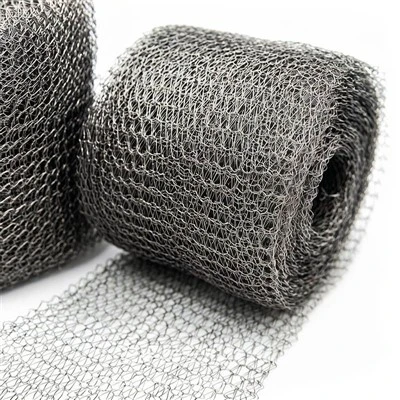
First, let’s keep it super simple: viscosity is just how “thick” or “stretchy” a fluid is. Water is low-viscosity, it pours easy, right? Honey, maple syrup, or that heavy drilling slurry your construction crew uses? High-viscosity, it moves way slower, like it’s holding itself together. And it’s not just food or industrial stuff—think about biofuels, paint, even wastewater with lots of sludge. Every fluid has a viscosity number, usually measured in centipoise (cP) for the folks who like hard numbers, but you don’t need to memorize that. Just remember: thicker = higher viscosity.
Now, how does this actually affect your filter mesh performance? Let’s start with the big one everyone cares about: flow rate. If you’ve ever had to strain a pot of honey through a regular kitchen sieve, you know it’s a total pain. That honey is so thick, it barely drips through the mesh, and it leaves goop stuck everywhere. Same exact thing with industrial or commercial filter mesh. For a low-viscosity fluid like water, a 100-mesh stainless steel screen will let gallons flow through every minute, no problem. But crank that viscosity up to like 10,000 cP (think heavy motor oil) and that same 100-mesh screen might only let a few ounces pass. The tiny pores in the mesh get blocked by the thick fluid’s molecules, which pull on each other (that’s viscosity at work) instead of sliding through the gaps. So your process grinds to a halt, production times blow out, and you’re wasting way more energy pumping that fluid through than you planned for.
Next up, clogging—wait, not just regular clogging, but how clogging happens with different viscosities. I talked to a guy last month who runs a craft brewery, he was using our standard 150-mesh filter for his new maple syrup line, and it was clogging every batch. He was confused, said “syrup flows fine by itself.” But maple syrup is like 5,000 cP, way thicker than the wort he was filtering before. What happened? The tiny solid particles in the syrup (like sugar crystals, or little bits of bark) get trapped on the top of the mesh, and the thick fluid doesn’t wash them through the pores like low-viscosity water would. Instead, that thick fluid acts like a glue, packing those solids into the mesh openings super tight. Before you know it, half the mesh is blocked, flow drops 70%, and you’re scrubbing it clean with hot water and a brush after every batch, instead of letting the mesh do the work. Low-viscosity fluids, on the other hand, keep particles moving—they carry smaller stuff through the pores before it can get stuck, so clogging is way less of an issue, as long as the mesh size is right for the solids.
Wait, there’s another angle: pressure drop. Pressure drop is just the difference in pressure between the input side of the filter and the output side. If the pressure drops a lot, that means your mesh is working too hard, or not working at all. High viscosity = way higher pressure drop for the same mesh. Let’s say you have two filter setups: one with water going through 200-mesh, one with 10,000 cP oil going through the same 200-mesh. The oil will need like 10x more pressure to push through the same amount of fluid, because the thick molecules resist flowing through the tiny pores. I had an industrial cleaning company reach out last quarter, they were using our mesh for filtering their degreaser, which is pretty low viscosity— worked great, pressure drop was low. Then they switched to a new heavy-duty cleaner for construction sites, viscosity was 8,000 cP, same mesh, and their pump burnt out in 3 days because it was working overtime to push fluid through. That’s a huge cost they didn’t plan for, all because they didn’t match their mesh to the fluid’s thickness.
But here’s the good part—you don’t have to just guess, and you definitely don’t have to buy the wrong mesh and deal with the headache. When I get a call from a customer asking about filter mesh, I don’t just ask “what size solids do you need to filter?” I always follow up with, “what’s the viscosity of the fluid you’re working with?” Because that’s the make-or-break detail. Let’s use some real examples to make this concrete. If you’re filtering low-viscosity stuff like beer, water, or thin juice (under 100 cP), a standard plain weave mesh works great—100-mesh to filter hops, 200-mesh for fine sediment, whatever. But if you’re working with medium viscosity, like paint, ketchup, or light motor oil (100 to 10,000 cP), you don’t use plain weave anymore—you go for a twill weave mesh, or maybe a dutch weave. Why? Twill weave has tighter, more uniform pores, and it lets the thick fluid slide through way easier than plain weave. The weave is structured so the fluid doesn’t get stuck between the threads as much. And for super high viscosity stuff—like heavy drilling mud, maple syrup, or chocolate (over 10,000 cP)? You might even need a multi-layer mesh, or a mesh with a slightly larger opening than you’d use for a low-viscosity fluid. Wait, that sounds counterintuitive, right? You need a bigger mesh to get finer filtration? But think about it—if you use a small mesh for thick chocolate, the flow is so slow, you’ll never get enough production. So you size the mesh opening a little bigger, so the fluid can flow, and pair it with a pre-filter to catch the big chunky bits first. That way, you still get the fine filtration you need, but you don’t clog the mesh or kill your flow rate.
I also want to address a common myth I hear all the time: “if my fluid is thick, I just need a smaller mesh to catch more stuff.” No, that’s not how it works, and that’s a quick way to waste money and time. I had a customer in the pharmaceutical space last year, they were filtering a thick gel for topical creams, viscosity around 15,000 cP. They bought our standard 50-mesh mesh because they thought it would catch all the fine particles, but after 10 minutes, flow stopped completely. They called me panicking, like “your mesh is garbage!” When I asked what they were filtering, and what the fluid was, I realized their mistake. They used a mesh that was too small for the high viscosity— the gel was packing into the openings. I sent them a 35-mesh twill weave, and paired it with a 100-mesh pre-filter on the input side. Now they get the fine particle capture they need, flow is consistent, no clogs, and production times are back on track. That’s the kind of stuff we work through every day, right? Every customer’s fluid is different, so one-size-fits-all doesn’t cut it.
Another thing to think about: temperature can change viscosity, too. A lot of people forget that! If you’re filtering honey at 120°F, it’s like 2,000 cP, really thin, flows great. But if you let it cool down to 70°F, that same honey jumps to 10,000 cP, thick as tar. So if you run a honey processing plant, you have to account for temperature shifts when you pick your mesh—maybe you need a slightly larger mesh in the part of the process where the honey cools, because viscosity goes up. I’ve seen customers mess this up big time, they use the same mesh for hot and cold batches, and then have clogs when the temperature drops. It’s the same fluid, just different viscosity, so the mesh needs to adjust.
Now, let’s talk about what this means for you, no matter what industry you’re in. If you’re dealing with filter mesh, don’t overlook viscosity. It’s not just a “nice to know” detail, it’s the difference between a filter mesh that works for you, and one that’s going to give you headaches, cost you downtime, waste product, and break your equipment. We’ve all seen it—companies buy cheap mesh that doesn’t match their fluid, and end up spending way more fixing issues than they would have spent on the right mesh upfront.
At the end of the day, that’s why we’re here. We don’t just sell mesh—we help you pick the right mesh for your specific fluid, your specific process, so you don’t have to deal with the headaches. Whether you’re filtering craft beer, construction slurry, pharmaceutical gels, food and beverage products, or any other fluid, we can walk through your needs, talk through the viscosity, the solids you’re filtering, and make sure you get a mesh that works.
If you’re dealing with clogs, low flow rates, or pressure drops that are killing your production, hit us up. We can help you work through your setup, no pressure, just real advice from people who deal with this stuff every single day. We’re here to make your filtration process as smooth as possible, so you can focus on running your business, not scrubbing clogs off your mesh at 2 a.m.
Filter Mesh References:
- Tiller, F. M., & Li, W. (1999). The role of viscosity in filtration performance. Journal of Membrane Science, 159(1-2), 161-172.
- Cheremisinoff, N. P. (2002). Liquid Filtration (2nd ed.). Butterworth-Heinemann.
- Walters, A. H., & Grant, L. C. (2010). Effect of fluid viscosity on screen mesh filtration efficiency. Industrial & Engineering Chemistry Research, 49(12), 5567-5573.
Hengshui Anbang Road and Bridge Material Co., Ltd.
As one of the most professional filter meshmanufacturers and suppliers in China, we’re featured by quality products and good service. Please rest assured to wholesale bulk customized filter mesh from our factory. For pricelist, contact us now.
Address: Zhaobazhuang Wire Mesh Industrial Park, Shenzhou City, Hengshui City, Hebei Province
E-mail: 857732879@qq.com
WebSite: https://www.cnanbang.com/
