If you’ve ever wandered a construction site, you’ve probably seen a mix of cranes, cables, and slings hopping steel beams, concrete blocks, and rebar into place. As a chain sling supplier, I get tons of questions: Can a chain sling actually handle construction materials, or is it just overkill for cables and heavy machinery parts? Let’s cut through the noise here—because the answer isn’t a flat “yes” or “no.” It depends on what you’re lifting, how you’re using it, and whether you’re following the right rules. First off, let’s start with the basics: chain slings are basically lengths of heat-treated alloy steel chain, connected to end fittings like hooks or master links. They’re way tougher than wire rope slings or synthetic slings, which makes them perfect for construction’s messiest jobs. Think about it: construction sites have sharp edges on steel girders, abrasive concrete chunks, and sometimes rough handling that would chew through a synthetic sling in a day. A good chain sling? It’ll stand up to that. I’ve watched our customers use them to lift 10,000-pound steel I-beams, precast concrete panels that are 8 feet thick, even stacked rebar bundles that would fray a wire sling in no time. But wait—there’s a catch here. Not all construction lifts are the same, and you can’t just grab any random chain sling off a shelf. Let’s break down when it works, when it doesn’t, and the dumb mistakes I see people make that turn a great tool into a hazard. First, the wins. If you’re lifting rigid, heavy, sharp-edged materials—steel, concrete, stone, rebar—chain slings are your go-to. Wire rope can kink if it’s dragged over a sharp corner, synthetic can tear if it rubs against a rough concrete edge. Chain slings? They’re designed to resist abrasion and impact. Another big plus: chain slings don’t stretch much. Wire rope stretches a little when you put load on it, which is bad for lifting things that need to stay stable—like precast concrete walls that have to line up perfectly with the foundation. If a synthetic sling stretches, your load can shift mid-lift, which is a recipe for disaster. Chain slings keep things tight and controlled. Also, they work in extreme temps. If you’re working on a construction site in the middle of a summer heatwave—100°F+—synthetic slings can melt or lose their strength. In the dead of winter, below freezing, wire rope can get brittle. Alloy steel chain slings? They hold their strength from -40°F all the way up to 400°F. That’s a huge deal for construction projects that span seasons, especially in places with crazy weather. But here’s where it gets tricky. Can you use a chain sling for any construction material? No way. Let’s talk about when to skip it. If you’re lifting something really light and fragile—like delicate glass panels, thin drywall sheets, or prefab wall panels that are thin and prone to denting—chain slings might damage the material. They’re super heavy themselves, so a tiny chain sling could scratch glass, or the hard chain links might put too much pressure on thin drywall. For those jobs, synthetic slings with protective padding are better. Another no-go: lifting loads that are tapered or have uneven weight distribution without using a spreader bar. If you just wrap a chain sling around one end of a tapered beam, it can slide off, or the chain links can pinch the beam and crack it. I see this all the time with small contractors who skip spreader bars to save money—bad move. Also, you can’t use a chain sling to lift molten metal, obviously, but wait—construction sites rarely deal with that, right? But there’s another thing: if your chain sling is damaged, it’s useless. That’s why so many construction teams mess up. A link with a crack, a hook with a bent tip, even minor rust (if it’s not stainless) can kill the sling’s capacity. I had a customer last year who tried to use a 5-year-old chain sling with a stretched hook to lift a concrete block. The hook snapped mid-lift, the block dropped, and it totaled a forklift. That’s the kind of mistake that makes people swear off chain slings, but it was just bad maintenance. Now, let’s get into the science part that most people miss—working load limit (WLL). Every chain sling has a WLL, which is the maximum weight it can lift under ideal conditions. That number changes depending on how you set up the sling. If you use a single vertical leg, the WLL is 100% of the chain’s rating. But if you set it up as a choker sling (wrapped around the load), the WLL drops to 80%. If you use it as a basket sling (two legs going over the top of the load), the WLL goes up to 150%—but only if the angle between the legs is less than 120°. That’s a non-negotiable rule. I’ve seen guys angle the legs to 150° to reach farther, and suddenly the WLL is cut in half. That’s a huge risk for construction, where loads are often right at the edge of capacity. Another thing: chain slings are tested. Reputable suppliers (that’s us, by the way) test every sling before it leaves the warehouse, stamping the WLL and serial number on the master link so you can track it. Cheap no-name slings you find on Craigslist or a random hardware store? They might not be tested, and could fail without warning. Now, let’s talk about what construction pros actually use chain slings for, day in and day out. Steel fabricators rely on them to lift I-beams, HSS tubes, and steel plates—anything sharp and heavy. Precast concrete manufacturers use them to lift wall panels and floor slabs, since the stability of chain slings means the panels don’t crack mid-transport. Even road construction teams use them to lift heavy asphalt patches or steel bridge components. The only time they really steer clear? Those fragile, low-weight jobs, and when budget is super tight (synthetic slings are cheaper upfront, even if they don’t last as long). Wait, but is there a case where a chain sling is the only option? Absolutely. I had a customer last month who was working on a demolition project—tearing down an old warehouse with rusted steel beams and concrete debris. The synthetic slings he’d used before kept tearing on the sharp rust edges, and wire rope kinked so bad it was unusable by the end of the day. We sent him two 10-foot chain slings, and he told me they lasted the full 2 weeks of demolition, no damage. That’s exactly the kind of job chain slings excel at. Now, I know some people will say “chain slings are too heavy” or “they’re a pain to store.” Yeah, a 20-foot chain sling for 10,000 pounds weighs about 50 pounds, which is way heavier than a synthetic sling of the same WLL. But when you’re lifting a 12,000-pound beam, that extra 50 pounds is nothing compared to the cost of a damaged load or a delay. And if you store them right—hang them up, not throw them in a pile with other gear—they don’t take up that much space. Another common question: Can you repair a chain sling? The short answer is no, not unless you’re a certified professional. Welding a broken link changes the heat treatment, which makes the chain weaker. If a link is cracked, bent, or stretched, you have to replace the whole sling, or at least the damaged part. That’s why regular inspections are so important. We recommend inspecting your chain slings before every use—check for bent links, cracked welds, stretched hooks, and any signs of wear. If you see anything off, tag it out and don’t use it. Now, let’s wrap this up. The answer to “Can a chain sling be used for lifting construction materials?” is: Yes, definitely—for the right materials, used correctly. If you’re lifting steel, precast concrete, rebar, or other heavy, sharp, rigid materials, a chain sling is often the best, most reliable choice. If you’re lifting something delicate, go with a padded synthetic sling. But here’s the thing: if you’re not sure if a chain sling is right for your job, or you need the right size, WLL, or setup for your project, don’t guess. We’re chain sling suppliers who work with construction crews every day, and we can help you pick the right sling, explain the WLL rules, and even give you tips on inspection and maintenance. Lifting construction materials isn’t the place to cut corners on safety or the right gear. If you’ve got a job where a chain sling might make sense, reach out to our team to chat through your needs. We’ll make sure you get a sling that works for your project, no mistakes, no risks. Chain Sling
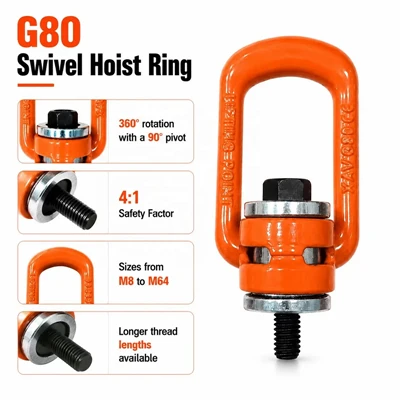
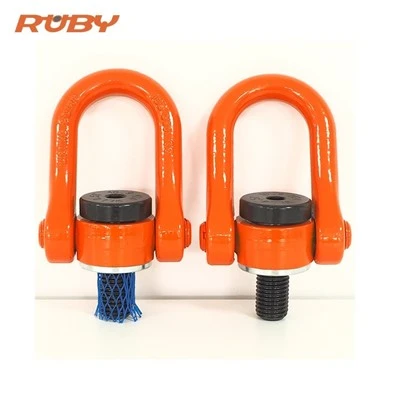
Chain Sling and Hardware Riggings References
- Occupational Safety and Health Administration (OSHA). (2023). Slings: Safe Use and Inspection. U.S. Department of Labor.
- American Society of Mechanical Engineers (ASME). (2022). ASME B30.9: Slings. American Society of Mechanical Engineers.
- Material Handling Industry (MHI). (2021). Chain Sling Selection and Application Guidelines. Material Handling Industry of America.
Hangzhou Ruby Imp. & Exp. Co., Ltd.
As one of the most professional chain sling manufacturers and suppliers in China, our products have good reputation in the market. Please feel free to wholesale durable chain sling made in China here from our factory. Also, custom service is available.
Address: Taoyuan Industrial Park, Puyang Town, Xiaoshan, Hangzhou, Zhejiang, China.
E-mail: Sales5@z2lifting.com
WebSite: https://www.ruby-lifting.com/
