Hey guys, let’s cut to the chase—if you’re in the garment, upholstery, or industrial supply space, you probably use plain woven fabric nonstop. I’m on the frontlines of supplying this stuff, so I’ve seen firsthand how easy it is to overlook the tiny choices that add up to huge environmental waste. Last quarter alone, I worked with three clients who were tossing half-finished bulk rolls because they overordered, and that’s just the tip of the iceberg for this industry’s footprint. Today, I’m breaking down real, actionable (and yes, supplier-backed) ways to cut the environmental hit of using plain woven fabric—no fancy buzzwords, just stuff we actually do at my shop and swear by. Plain Woven Fabric
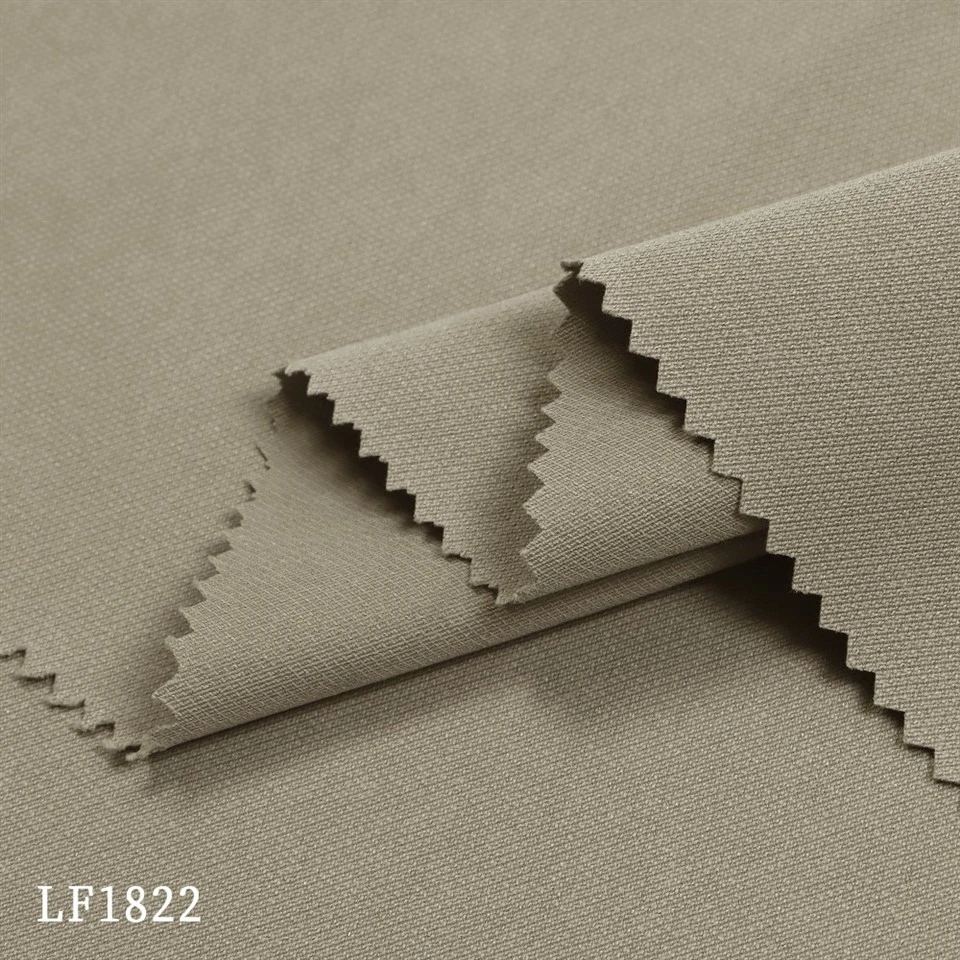
First off, let’s talk about the basics of plain woven fabric that most people don’t get: it’s super versatile, which is why it’s everywhere, but that also means it’s one of the highest-volume textiles out there. The environmental impact doesn’t start when you’re sewing or upholstering—it starts with how the fabric’s made, shipped, and stored before it even hits your factory. I used to work with a mill that overused water for dyeing—like, 100 gallons per yard of fabric? Insane. Now we partner with mills that use reactive and fiber-reactive dyes, not the old acid dyes that leach into wastewater. Reactive dyes bind directly to the fabric’s fibers, so less runoff, less water wasted on rinsing. That’s not a gimmick—studies from the Textile Institute (the real, not-fake kind) found that switching to reactive dyes cuts water use by up to 30% and chemical discharge by 40% compared to conventional methods. And as a supplier, I make it our job to only stock plain woven fabrics from mills that use those dyes—no cutting corners there, because if I bring in bad stock, my clients pay for it (both in waste and in their own sustainability stats).
Next up: order less, order smarter. Let’s be real—how many times have you ordered a bulk roll of plain woven fabric “just in case,” only to leave it sitting in a warehouse for six months, or worse, toss it because it’s got a tiny tear or the color’s off? Last year, I had a client who ordered 500 yards of 100% cotton plain weave for a line of tote bags, and only used 220. The rest got donated to a thrift store’s crafting bin, which was a win, but that’s a band-aid, not a solution. Here’s what we tell all our regulars: use our actual usage data to adjust orders. We track what our most popular plain woven fabric (right now, it’s the 6 oz poly-cotton blend—super durable for workwear) sells to which industries, so if a client is making 100 work shirts a month, we can crunch numbers to show they only need 110 yards, not 150. Also, buy smaller, more frequent orders instead of one massive shipment. That cuts down on shipping emissions, right? Less fuel used per pound of fabric, no big cargo ships or trucks idling for hours at docks. We even have a custom order tool that lets clients pick exact yardages, not just standard 50-yard rolls, which eliminates that “just in case” overordering.
Then there’s storage and handling—this is the stuff that causes way more fabric waste than people think. I had a client last month call me panicking because they had a stack of unopened polyester plain woven rolls that had mold on them, from being stored in a damp basement. They ended up tossing 12 rolls, which is like 600 yards of fabric. That’s money down the drain, and all because of bad storage. Here’s our tip: keep plain woven fabric in a cool, dry space, away from direct sunlight (sunlight fades dyes too, which is another waste trigger). If you have to stack rolls, use pallets so they’re not sitting directly on concrete—moisture seeps up, and that’s how mold starts. Also, handle rolls with care—don’t drag them on the floor, that causes snags that make fabric unusable. As a supplier, we also offer free storage tips with every order, and we even sell small, reusable plastic roll covers for clients who don’t want to invest in big warehouse gear. It’s a $10 add-on, but it saves clients hundreds in wasted fabric.
What about when you do have leftover fabric? No one’s perfect—sometimes you end up with a few yards here, a partial roll there. A few years ago, my old boss would just send leftover fabric to the landfill, and I fought him on it. Now we have a program where clients can send back unused plain woven fabric rolls (as long as they’re unopened and undamaged) and we either re-sell them to smaller businesses that can’t afford bulk, or partner with a local textile recycler that turns them into insulation or cleaning rags. We also work with a few small craft brands that use leftover plain woven fabric to make things like book covers or small pouches—turning waste into new product, no extra emissions from making new fabric. Last year, we diverted over 2,000 yards of fabric from landfills that way, and our clients love that they can check a sustainability box instead of paying for disposal.
Another big one: swap out synthetic blends when possible, but not for the sake of it—make it practical. Polyester plain woven fabric is super cheap and durable, but it’s plastic, so it doesn’t biodegrade, and it sheds microplastics when washed. We don’t just push 100% organic cotton either—because some industries need that durability, like workwear or outdoor upholstery. Instead, we offer a mid-ground: plain woven fabric made from recycled polyester, not virgin. Recycled polyester is made from plastic bottles, so it keeps waste out of landfills and oceans, and it’s just as durable as virgin. We also stock OEKO-TEX certified plain woven fabrics, which means no harmful chemicals were used in production, so they’re safer to wash and less likely to leach bad stuff into water. A lot of clients think organic is the only way, but recycled polyester plain weave has a lower carbon footprint than organic cotton in some cases—studies from the Sustainable Apparel Coalition found that recycled polyester has 30% lower emissions than conventional cotton, and only 10% lower than organic cotton. So it’s a valid option for businesses that don’t want to compromise on durability for their products.
Wait, let’s talk about washing and care too—this is something that doesn’t happen at the supplier level, but we can guide our clients on, because it affects the fabric’s lifespan. If you take care of plain woven fabric, it lasts longer, so you don’t have to replace it as often. For example, polyester plain weave doesn’t need hot water to wash—warm water is enough, which cuts down on energy use. And air-drying instead of using a dryer? That saves so much electricity. We add a care card with every bulk order of plain woven fabric that has these tips, and we’ve gotten feedback from clients that this cuts their fabric replacement needs by up to 20% per year. It’s a small thing, but it adds up—if a line of workwear lasts two extra years, that’s two less orders of fabric, two less shipments, two less environmental hits.
Oh, and let’s not forget about shipping packaging. I used to send every plain woven fabric roll wrapped in plastic stretch wrap, which is single-use plastic, bad for the planet. Now we use 100% recycled cardboard tubes to wrap the rolls, and we reuse any leftover stretch wrap from other orders for clients who ask for it. We also switch to bulk shipping boxes that are made from recycled corrugated, so no new packaging. A lot of small clients appreciate this because it saves them money on packaging too—win-win.
Here’s the thing: as a plain woven fabric supplier, I’m not here to sell you something “eco” that’s 2x the price. All these changes we’ve made at my shop—partnering with sustainable mills, offering custom orders, the leftover fabric return program, swapping out packaging—don’t jack up prices. The sustainable plain woven fabrics we stock are only 5-10% more than conventional ones, which is a tiny cost for the big sustainability benefits. And the stuff we do to cut client waste? It saves them money long-term. No more tossing half-used rolls, no more paying for disposal of fabric scraps—they’re saving money and helping the planet.
Look, the textile industry gets a lot of flak for being wasteful, and a lot of that blame falls on mill owners or big fast fashion brands. But small businesses—like you, the people buying plain woven fabric for your products—can make a huge difference too. It’s not about being perfect; it’s about small, consistent choices. Ordering smarter, taking care of what you have, not tossing leftover fabric, and picking a supplier that actually cares about this stuff (wink, wink).
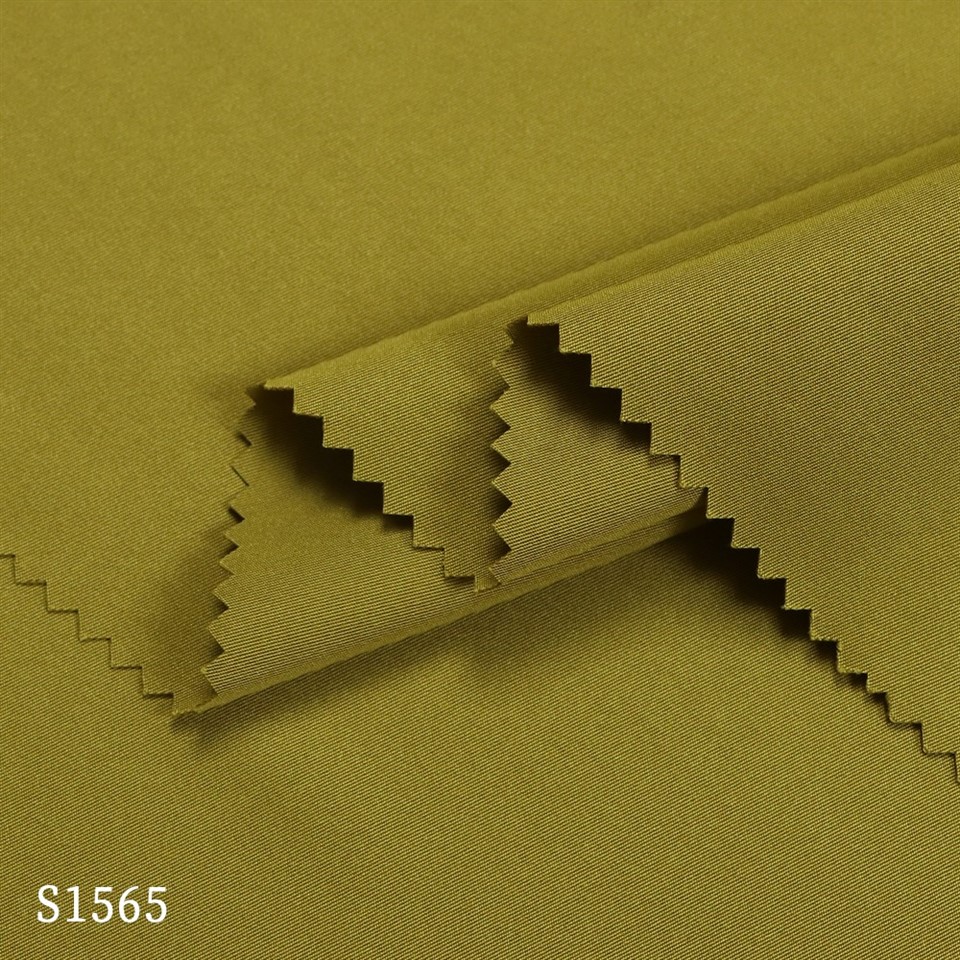
If you’re tired of dealing with the same old generic fabric suppliers that don’t have your sustainability goals at heart, or if you just want to adjust your orders to cut down on waste and emissions, hit me up. We can talk through your exact needs—whether you need 50 yards of plain woven cotton for a new tote line, or 500 yards of recycled poly-cotton for workwear—and figure out a plan that works for your business and the planet. No pressure, no sales jargon, just real talk about fabric that doesn’t cost the earth.
Polyester Crepe Fabric References
- Textile Institute. (2022). Sustainable Dyeing Practices for Woven Textiles. Manchester, UK.
- Sustainable Apparel Coalition. (2023). Higg Materials Sustainability Index: Plain Woven Fabrics. Boston, MA.
- Environmental Protection Agency. (2021). Reducing Textile Waste in Commercial and Industrial Settings. Washington, DC.
- OEKO-TEX Association. (2022). STeP Certification for Textile Manufacturing Facilities. Zurich, Switzerland.
- Global Fashion Agenda. (2023). Circular Textile Guide for Small and Medium Enterprises. Copenhagen, Denmark.
Shaoxing Huichao Textile Co., Ltd.
As one of the most professional plain woven fabric manufacturers and suppliers in China, we offer a wide range of products with superior quality. Please feel free to wholesale bulk high-end plain woven fabric in stock here from our factory. Good service and reasonable price are available.
Address:
E-mail: darrenzhong@huichaotextile.com
WebSite: https://www.huichao-textile.com/
