If you’re running a operation that relies on grinding equipment—whether it’s a metal fabrication shop, a grain processing plant, or a pharmaceutical lab—you already know the gear itself only gets you so far. The accessories you pair with your grinders are the unsung heroes that keep operations smooth, cuts precise, and downtime low. As someone who’s been supplying grinding equipment and accessories for over a decade, I’ve talked to so many folks who skip the accessory deep dive just to grab whatever’s “cheaper” or “comes with the grinder.” Spoiler: that’s how you end up with broken parts, uneven grinds, and weeks of avoidable repairs. Let’s break down what actually matters when picking accessories, no jargon, no fluff. Grinding Equipment
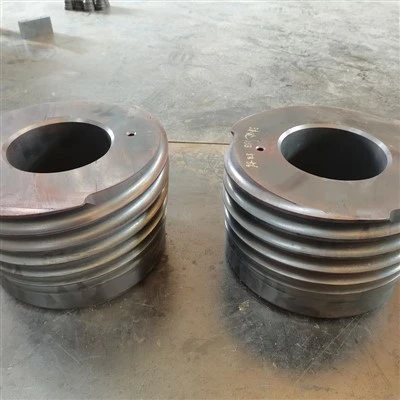
First off, start with the basics: what’s your grinder actually doing? I can’t tell you how many times a farmer came to me last year looking for a grinding wheel for wheat, only to grab a generic metal-cutting wheel because it was on sale. Let’s call that a big oops. Accessories aren’t one-size-fits-all, and the first check is always matching the accessory’s primary purpose to your material and end goal. For example, if you’re grinding solid steel for structural parts, you need a depressed-center grinding wheel with a high bond strength to handle heavy material removal. If you’re finishing a cast iron part for a engine, you’ll want a thinner, flexible flap disc for a smoother finish without gouging. And don’t sleep on the material of the accessory itself—aluminum oxide wheels work great for most metals, but if you’re grinding stainless steel, zirconia alumina is non-negotiable. It cuts faster, lasts longer, and doesn’t gum up on stainless’ surface the way regular aluminum oxide does. That one small switch saved a local fabrication shop I work with 15 hours a week last quarter—no joke.
Next, power and speed compatibility. This is where I see a lot of folks mess up without realizing it. Every grinder has a maximum operating speed (usually listed in RPM or SPM on the tool’s label), and every accessory has a maximum rated speed printed right on its side. If you pair a slow-speed accessory with a high-speed grinder, the wheel can fly apart. We’re talking dangerous, catastrophic failure here. I once had a customer who tried to use a 6,000 RPM flap disc on a 10,000 RPM angle grinder—wheel shattered mid-use, missed his face by inches, total chaos. Always double-check that numbers. Also, don’t forget power rating: if you’re using a corded grinder, the accessory’s power draw has to stay within the tool’s capacity. Cordless grinders have lower battery limits, so high-torque accessories will drain batteries way faster than you think. I always tell customers to test a cheap sample first if they’re switching up accessories—way better than wasting money on a whole pack that won’t work with your gear.
Then, wear life vs. upfront cost. This is the classic “cheap vs. good” debate, and I get it—every shop’s budget is tight. But here’s the thing: a $10 wheel that lasts 2 hours ends up being more expensive per grind than a $15 wheel that lasts 4 hours. I track this data for all my customers, and the numbers never lie. For a metal shop doing 20 hours a week of heavy grinding, switching to higher-quality wheels cut their accessory costs by 22% in 6 months, even though the upfront price was 50% higher. Of course, there are exceptions. If you’re doing a tiny, 10-minute job once a month, a cheap wheel is fine. But for regular, high-volume work, investing in wear-resistant accessories (like reinforced grinding wheels or coated abrasive discs) pays off in less downtime and fewer replacements. Also, don’t overlook specialty accessories—like grinding jigs for precision work or dust extraction attachments for compliance. The jig might cost $500 upfront, but it eliminates the need to rework parts, which saves way more than that jig in the long run.
Material handling is another angle a lot of people miss. What are you grinding, really? Is it a hard, abrasive material like concrete or granite, or a soft, fibrous material like corn or soy? For hard materials, you need accessories with a stronger bond—resin-bonded wheels work best here, as they hold abrasive grains longer even under high pressure. For soft materials, a ceramic-bonded wheel is better because it self-sharpens as it cuts, so you don’t have to press as hard and risk clogging. For food-grade operations (grain processing, baking ingredients), you need accessories that meet FDA standards—no toxic coatings or binders that could leach into your product. I worked with a pet food manufacturer last year who almost got shut down because they used a non-FDA-approved grinding wheel; switching to the right accessories not only kept them compliant but also reduced cross-contamination issues they were having before. That’s a big one—regulatory stuff can tank a business way faster than a bad grind.
Don’t sleep on safety accessories, either. The functional accessories matter, but the ones that keep your team safe are non-negotiable. Let’s list the obvious ones first: face shields, not just safety glasses, because grinding sparks can jump up and sideways. Fire-resistant gloves that aren’t too bulky—you need dexterity to hold parts steady while grinding. But there are less obvious safety accessories too: wheel guards that fit your specific grinder (a guard that’s too loose won’t stop a flying wheel, one that’s too tight will limit your work), and vibration-dampening handles for long grinding jobs. Vibration-related injuries are super common in grinding shops, and switching to ergonomic handles reduced carpal tunnel cases for three of my regular customers last year. Also, dust collection attachments—silica dust from grinding concrete causes serious lung issues, and OSHA regulations are getting stricter by the year. Skipping that accessory can lead to fines way bigger than the cost of a good dust extractor.
Wait, what about specialty use cases? Because let’s face it, not everyone’s grinding metal or grain. I’ve worked with everything from dental labs grinding porcelain to mining companies grinding ore. For precision work like dental labs, you need ultra-fine grit accessories (like 120-240 grit) and sometimes diamond-coated grinding wheels—they cut clean without leaving rough edges that require extra finishing steps. For mining, you need heavy-duty metal grinding wheels that can handle rough, abrasive ore without wearing out after an hour. The key here is to tell your accessory supplier exactly what your end product needs. A lot of suppliers (including me) can give tailored recommendations if you share details: what material you’re grinding, the desired finish, the size of your parts, and your grinder’s specs. I once had a mining customer who was buying generic wheels that lasted 2 shifts; after I asked about their ore hardness and grinder speed, we switched to a reinforced vitrified wheel that lasted 5 shifts. They saved thousands a month just from that swap.
Mistakes to avoid, too. Let’s recap the big ones: mismatching accessory speed to your grinder, buying cheap for high-volume work, skipping regulatory compliance for food/pharma, and ignoring safety accessories. Another common mistake: using worn-out accessories. A grinding wheel that’s too small (because you’ve used it down to the core) is not only ineffective but also a safety hazard. The core of the wheel can crack, and there’s less material to absorb impact. I always tell customers to replace accessories when they’re ½ inch from the core—no exceptions. Also, don’t mix and match accessories from different brands unless you’ve checked compatibility. Some brands design their wheels to work best with their grinders, so pairing a generic wheel with a top-brand grinder might lead to poor performance.
At the end of the day, choosing the right grinding accessories isn’t rocket science—it’s just about matching the accessory to your specific needs, not just grabbing whatever’s cheapest or comes with the grinder. If you’re still unsure, or if you’ve been dealing with downtime or bad grinds, don’t overcomplicate it. Reach out to talk through your setup, the materials you work with, and your goals. I’ve helped hundreds of folks pick accessories that cut their costs, reduce repairs, and keep their teams safe. So if you’re ready to stop guessing and start getting the most out of your grinding equipment, let’s connect to discuss what works best for your operation. And for all the gear heads out there, here are a few resources to dive deeper into accessory specs and safety standards:
- American National Standards Institute (ANSI) B7.1 Safety Standard for Grinders and Grinding Accessories
- OSHA’s Dust Control Guide for Abrasive Grinding and Cutting Operations
- Norton Abrasives: Guide to Grinding Wheel Selection for Industrial Applications
Mining Equipment This is just the start—accessories evolve as grinding tech does, and I’m always updating my recommendations based on new products and customer feedback. Whether you’re a small shop or a large industrial operation, the right accessories make all the difference. Don’t cut corners here; it’s an investment that pays off every time you hit the grind button.
Shenyang Muren Machinery Co., Ltd.
As one of the most professional grinding equipment manufacturers and suppliers in China, we’re featured by quality products and good price. Please rest assured to wholesale durable grinding equipment from our factory. We also accept customized orders.
Address: No.16 Nansan Road, Shenyang Jinhai Economic Zone, Liaoning Province, China
E-mail: mulunjixie@163.com
WebSite: https://www.symurens.com/
