I’ve spent the better part of the last decade working side by side with people who walk into our acne and blemish care counter with more than just red, inflamed patches on their skin. I’ve watched a 16-year-old miss the first group hang of senior year because they were convinced everyone stared at their jawline cysts; I’ve sat across from a 32-year-old professional who mentioned skipping a critical work presentation because their chin breakouts felt “too noticeable” to stand in front of a room; and I’ve talked to a 58-year-old woman who thought her adult acne meant she’d “ruined” her own identity at a point in life she’d finally felt settled. What many of these customers don’t realize—until we walk through our treatment plans together—is that the psychological weight of acne is rarely just about the skin itself. It’s not vanity; it’s a biological and emotional response that’s been studied for decades, but still often misunderstood in daily conversation. Acne & Blemish Care

Let’s start with the most direct, and most researched, psychological effect: social anxiety and social avoidance. It’s tempting to dismiss this as “being self-conscious,” but peer-reviewed research paints a clearer, more consistent picture. A 2021 study published in the Journal of the American Academy of Dermatology followed 1,200 people aged 12 to 45 with mild to severe acne, and found that 68% reported avoiding social situations where their face would be on display—think first dates, work meetings with a crowd, group photos, or even casual trips to the grocery store where they might run into someone they know. The reasoning isn’t trivial: for many, acne isn’t just a flaw, it’s a focal point. Studies have shown that people with visible blemishes are often perceived by others as less confident, less trustworthy, and less competent—judgments that form in just a split second, often before anyone even speaks. This “stigma perception” is especially heavy for teens, whose social worlds and sense of self are still being built; a 2019 survey by the American Academy of Pediatrics found that 1 in 3 adolescents with acne skipped school or extracurricular activities due to skin-related shame, with many reporting that they “felt ugly” or “like everyone was talking about me” when they had breakouts.
What’s surprising, though, is that this psychological impact doesn’t just stick around during the teenage years. Adult acne is more common than most people think—affecting up to 50% of women and 25% of men over age 25—and its psychological effects are often even more hidden. A 2022 study in Dermatologic Therapy looked at adults with acne aged 26 to 55, and found that 41% met the criteria for social anxiety disorder, compared to just 12% of the general adult population. For adults, the stakes are different: a blemish on the day of a big job interview or a client meeting isn’t just about being teased at school—it’s about risking a career opportunity, a promotion, or a relationship. I had a regular customer, a marketing manager named Sarah, who told me she once turned down a $15,000 client presentation because she had a single, deep cyst on her forehead. “I practiced the pitch for three months,” she said, “but when I looked in the mirror that morning, I just knew everyone would notice it. I didn’t want to be the person with the pimple who messed up the deal.” That kind of decision isn’t about being overly sensitive—it’s about how deeply our skin is tied to our sense of credibility and self-worth in adult life.
Another less discussed but equally damaging psychological effect is depression and low self-esteem. Acne doesn’t just make people feel bad about their looks; it rewires how they see themselves, often in ways that persist even after the breakouts clear. A 2020 longitudinal study in the British Journal of Dermatology followed 800 young adults over five years, and found that people with persistent acne were twice as likely to develop major depressive disorder as those with clear skin, even when controlling for factors like family history or other mental health conditions. What makes this link so strong is the cycle of shame: when someone has a breakout, they feel self-conscious, which can lead to isolating themselves, which in turn reduces their ability to seek social support or engage in self-care, which can make acne worse, which deepens the depression. I’ve seen this cycle play out countless times: a customer starts skipping their daily skincare routine because they feel “not worth the effort,” so their acne gets more inflamed, so they stop coming in for our treatments, and before we know it, they’re saying things like “I’ll always have bad skin, so there’s no point trying.”
It’s important to note that this isn’t just a matter of how people with acne perceive themselves—there’s also a documented effect on self-efficacy, the belief in one’s ability to achieve goals, across all areas of life. A 2018 study in Journal of Psychosomatic Research found that people with acne were 30% less likely to take on new challenges at work, school, or in relationships, because they associated putting themselves “out there” with the risk of being judged for their skin. For a college student, that might mean skipping a study abroad program; for a new parent, it might mean holding back from joining a parent group because they feel self-conscious showing their face; for anyone, it might mean holding back from expressing their opinions or being their full self in front of others. This is where our work as an acne and blemish care supplier becomes more than just selling creams or treatments—it’s about helping people break that cycle, regain their confidence, and feel like they can show up for themselves and others without the weight of their skin holding them back.
There’s also a lesser-known psychological impact related to body image and identity, particularly for people who develop acne later in life or in areas beyond the face. I’ve had customers who get cystic acne on their chest or back, which they cover with layers of clothing even in warm weather, or who develop hormonal acne that comes and goes alongside life changes like pregnancy, menopause, or stress. A 2023 study in Skin Research and Technology found that people with acne on non-facial areas often report feeling “disconnected” from their own bodies, because the breakouts are a visible sign of a bodily change they can’t control. For many of these customers, their acne isn’t just a skin condition—it’s a constant reminder of a part of their body that feels “broken” or “out of their control,” which erodes their sense of overall body satisfaction over time.
The good news here is that research also shows that effective acne treatment can reverse many of these psychological effects. A 2021 meta-analysis of 27 studies, published in Clinical and Experimental Dermatology, found that patients who received evidence-based acne care reported significant improvements in social anxiety, self-esteem, and depression symptoms within just 12 weeks of starting treatment. That’s why we designed our range of acne and blemish care products not just to target the physical symptoms of breakouts—like excess oil, inflammation, and bacteria—but also to support the emotional well-being of our customers. We know that using a product that works is half the battle, but feeling supported and understood while you use it is the other half.
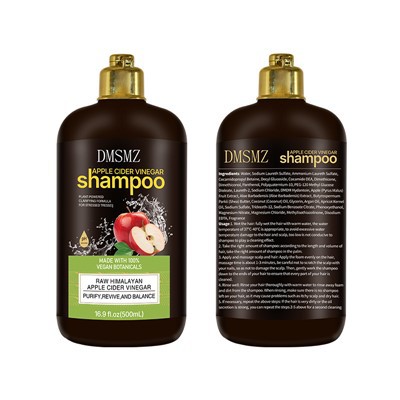
If you or someone you know is navigating the psychological effects of acne, we’re here to help. As a trusted acne and blemish care provider, we don’t just sell products—we work with individuals to create personalized care plans that address both the physical and emotional sides of their skin concerns. Whether you’re dealing with occasional breakouts or persistent acne that’s impacted your confidence, we can connect you with the right solutions and guidance to help you feel like yourself again. To learn more about partnering with us for bulk supply or to discuss our custom care plans, reach out to our team today. We’re here to listen, not just to sell.
Mask Care References
- Journal of the American Academy of Dermatology. (2021). The psychosocial burden of acne in adolescents and adults: A cross-sectional study.
- American Academy of Pediatrics. (2019). School avoidance and psychosocial correlates in adolescents with acne vulgaris.
- Dermatologic Therapy. (2022). Adult acne and comorbid social anxiety disorder: Prevalence and correlates.
- British Journal of Dermatology. (2020). Longitudinal association between acne vulgaris and risk of major depressive disorder in young adults.
- Journal of Psychosomatic Research. (2018). Acne and self-efficacy: A cross-sectional analysis of functional impairment.
- Skin Research and Technology. (2023). Body image disturbance in individuals with truncal acne vulgaris.
- Clinical and Experimental Dermatology. (2021). The impact of acne treatment on psychological outcomes: A systematic review and meta-analysis.
Guangdong Daimeishi Biotechnology Co., Ltd.
Address: Room 304, Building 3, Quantum Creation Space, No. 4, Industrial 2nd Road, Jiahewanggang, Baiyun District, Guangzhou
E-mail: 371190615@qq.com
WebSite: https://www.zgdms.com/
