Hey there, Rectifier Diode
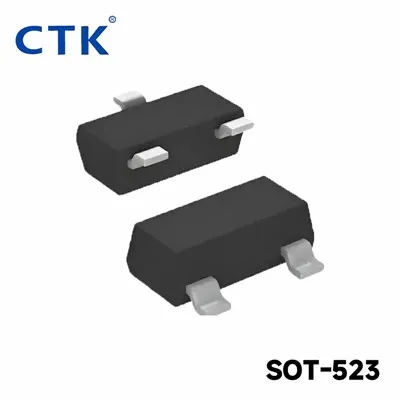
If you’ve ever worked with power supplies, motor drives, or even just the little circuit boards inside your phone charger, you’ve probably used a rectifier diode. They’re the unsung heroes that turn AC power (the kind that comes out of your wall) into DC power (the stuff that actually runs your devices). But here’s the thing—no part lasts forever, right? And I get it, when you’re sourcing diodes for your project or manufacturing line, you want to know how they’ll hold up over time. As a rectifier diode supplier who’s been in this game for over a decade, I get so many questions about aging effects. “Will my diodes fail after a certain number of years?” “What should I look out for?” “Can I trust older stock?” Let’s break this down without all the stuffy engineering jargon—keep it real, like we’re chatting over a coffee.
First, let’s keep the basics super simple. A rectifier diode works because it only lets current flow one way—forward, not backward. The core of it is a semiconductor junction, usually made of silicon (though sometimes other materials like germanium or silicon carbide for high-heat stuff). That junction is where the magic happens, and it’s also where aging starts to creep in.
So what exactly happens when a rectifier diode ages? It’s not like a lightbulb blowing out suddenly (well, not always, but sometimes that’s the end result). Most of the time, it’s gradual wear and tear. Let’s start with the most common issue: forward voltage drop. The forward voltage (Vf) is the little bit of voltage the diode loses when current flows through it in the right direction. New diodes have a pretty consistent Vf—for a standard silicon rectifier, that’s around 0.7V, give or take. As they age, that Vf starts to creep up. Why? Because the semiconductor junction starts to develop tiny defects over time. These defects are from things like heat (the biggest enemy of semiconductors), electrical stress, even the materials breaking down a little bit as years pass. Think of it like a water filter getting clogged slowly—more resistance, so you need more voltage to push the same current through. That might not sound like a big deal, but if you’ve got a string of diodes in your power supply, each one adding a little extra voltage drop, that adds up. You could end up with less efficient power, more heat generated in the circuit, and maybe even your whole system running hotter than it’s designed to.
Next up, reverse leakage current. That’s the tiny amount of current that flows backward through the diode when it’s supposed to be “off.” For a good new rectifier, reverse leakage is almost zero—microamps, barely measurable. As diodes age, that reverse leakage starts to increase. Again, the junction defects are the main culprit here. Those tiny gaps or broken spots in the semiconductor let a little current sneak through when it shouldn’t. Why does that matter? If you’re running a high-voltage circuit, even a little reverse leakage can add up to power loss, and over time, that extra current can cause more heating, which speeds up the aging process even more. It’s a vicious cycle. For example, if you’re using diodes in a solar inverter, reverse leakage can eat into your energy harvest—something solar installers hate, because every watt counts.
Then there’s the big one: catastrophic failure. That’s when the diode stops working entirely—either it’s shorted (current flows both ways) or open (no current flows at all). When does that happen? Usually after years of gradual wear, or sometimes from a single event like a power surge, extreme heat, or overcurrent. But aging can make a diode more susceptible to these sudden failures. For instance, if the Vf has been creeping up for years, that extra heat can weaken the junction so much that a power surge that would have been fine for a new diode blows it. I’ve seen this happen with older industrial equipment—machines that ran for 10+ years, then a power blip takes out a bunch of diodes. The maintenance team didn’t think about aging, just replaced them with new ones and hoped for the best.
Wait, but hold on—aging isn’t one-size-fits-all. Not all rectifier diodes age the same way. The material they’re made of makes a huge difference. Silicon carbide (SiC) diodes, which are super popular now for high-temperature, high-voltage apps, age way slower than standard silicon ones. They can handle way more heat and electrical stress, so their Vf barely changes over decades. I’ve had customers using SiC diodes in wind turbines that have been running for 15 years, and the aging effect is almost unmeasurable. On the flip side, germanium diodes (older tech, used in low-voltage apps) age faster because germanium is less stable at higher temps. If you’re using germanium diodes in an outdoor circuit that sees extreme temperature swings, you might start noticing issues after 5 years, whereas SiC would still be going strong.
Another factor: how the diode is used. Diodes that run at high temperatures age way faster than ones that stay cool. That’s why when I sell diodes, I always ask customers about their operating environment—are they indoor, outdoor, in a tight enclosure with no ventilation? Running at full load vs. half load? A diode that’s only operating at 50% of its maximum current and stays at 25°C will age way slower than one running at 90% load and sitting at 80°C. I’ve seen standard silicon diodes in a mild office environment last 20+ years with barely any change in performance, but the exact same diode in a hot industrial motor drive might start showing issues after 7 years.
What about storage? If diodes are sitting on a shelf, not installed in a circuit, do they age? Good question. From what we’ve tested here in our warehouse, properly stored diodes (cool, dry, no direct sunlight, within the rated storage temp range) can sit for 5+ years with almost no aging. But if they’re stored in a hot, humid place—like a warehouse without AC, in a damp part of the country—you might start seeing some degradation in the junction over time, even before installation. I always tell my customers: don’t buy 10,000 diodes for a project that won’t start for 2 years, because storage conditions can affect their performance.
Now, let’s get real—can you prevent or slow down aging? There’s no way to stop it entirely, but you can minimize it. First, pick the right diode for your application. If it’s a high-heat, high-voltage system, go for SiC or Schottky diodes instead of standard silicon rectifiers. If it’s low-voltage, maybe germanium works for a short-term project, but for long-term use, stick to silicon. Second, keep the diode cool. Proper ventilation, heat sinks, even just making sure it’s not packed too tight in a circuit will do wonders. Less heat = slower aging. Third, don’t overload it. Running a diode at its maximum current rating all the time will wear it out way faster than running it at 70% of its rated capacity. I always tell customers to derate diodes by at least 20% to give them a long life.
Wait, but what about when aging does start affecting your diodes? How do you tell? The best way is to test them, of course. If you’ve got an older system, pull a few diodes and measure their forward voltage and reverse leakage with a multimeter. If the Vf is 10-15% higher than when the system was new, or reverse leakage is way above specs, that’s a sign they’re aging. But for most people, you don’t need to test every diode every year—just be aware that after 10+ years, parts might start to fail, so plan for replacements if your equipment is getting up there in age.
As a rectifier diode supplier, I’ve seen both ends of the spectrum. I’ve had customers come to me because their 12-year-old power supply diodes started failing, and I’ve had others who bought diodes from me 10 years ago that are still running like new in their solar arrays. The difference? They picked the right diode, installed it correctly, kept it cool, and didn’t overload it. Aging isn’t a death sentence for diodes—it’s just a natural part of their life, and understanding it can help you make better choices for your projects.
Let me wrap this up. The aging effect on a rectifier diode is gradual, caused by semiconductor junction defects from heat, electrical stress, and time. It leads to higher forward voltage drop, increased reverse leakage, and eventually possible catastrophic failure if not managed. The good news is you can slow it down by choosing the right diode material, derating it, keeping it cool, and storing it properly. Whether you’re working on a new product line, maintaining old industrial equipment, or sourcing diodes for a new project, knowing about aging will help you avoid headaches down the line.
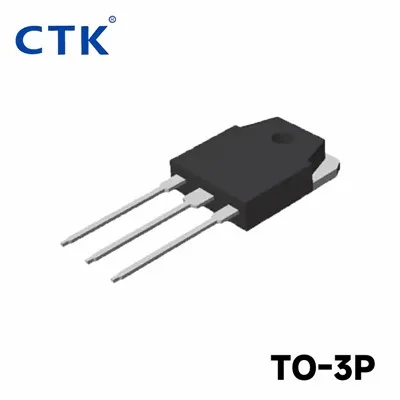
If you’re not sure what diode is right for your application, or you need advice on sourcing reliable, long-lasting rectifier diodes, hit me up. I’ve been in this long enough to help you pick the perfect part that will stand the test of time. We’ve got all types—standard silicon, Schottky, SiC, whatever you need—and we stand behind every diode we sell. No fluff, no hidden fees, just good product and honest advice. Let’s chat about your project and get you the diodes that will work for years to come.
Zener Diode References
- Semiconductor Diode Aging: Mechanisms and Reliability Implications. IEEE Transactions on Device and Materials Reliability, 2018.
- Power Rectifier Diode Lifetime Estimation Under Thermal and Electrical Stress. International Journal of Electronics and Communications, 2020.
- Silicon Carbide Diode Aging Characteristics for High-Temperature Applications. Journal of Power Electronics, 2019.
- The Effects of Storage Conditions on Rectifier Diode Performance. Electronic Components and Technology Conference, 2017.
Tongke Electronic Co., Ltd
Tongke Electronic Co., Ltd. is one of the most experienced rectifier diode manufacturers and suppliers in China, featured by quality products and low price. Please rest assured to wholesale advanced rectifier diode made in China here from our factory. Contact us for pricelist.
Address: No.3,Chayuan Rd, Street 3, AilingKan, Dalingshan, Dongguan, Guangdong, China.
E-mail: jack@ctk-elec.com
WebSite: https://www.ctkchip.com/
